
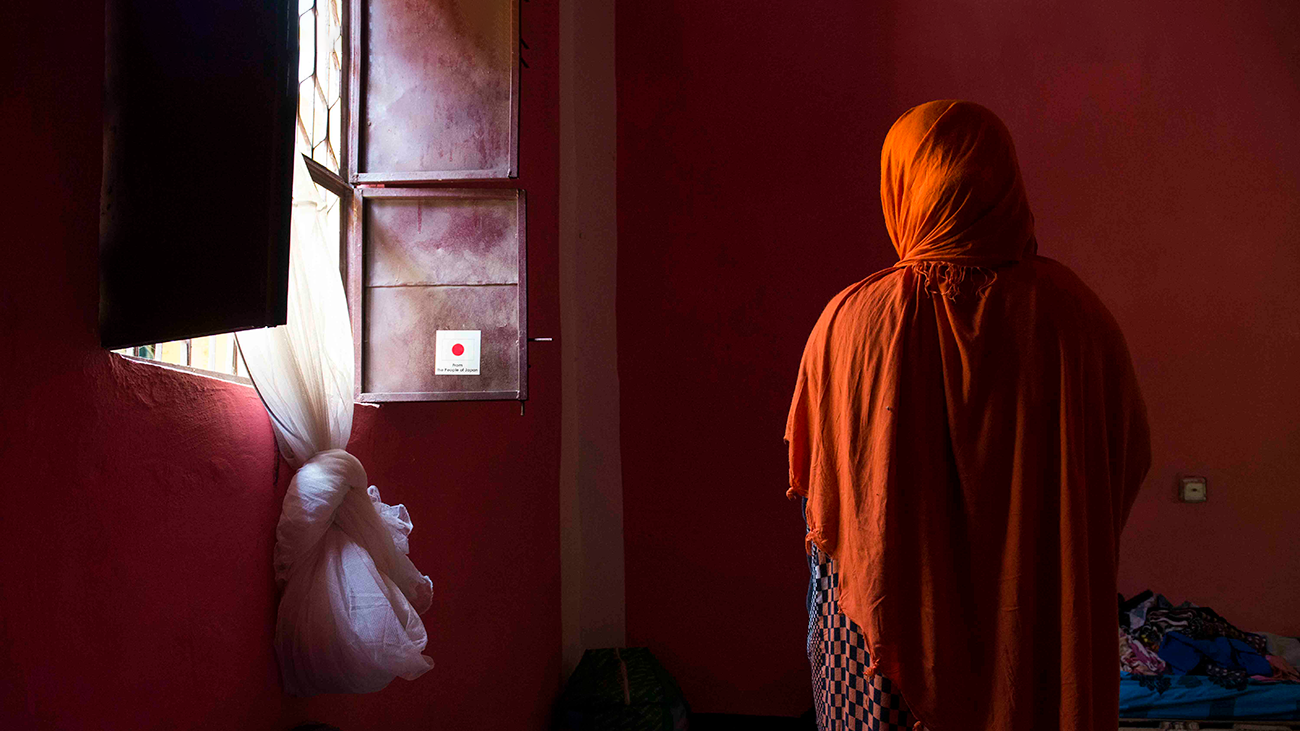
Peacebuilding and Mental Health: Armed conflicts have been steadily increasing over the past decade, with more than 120 conflicts recorded globally in 2025. Civilians in regions such as Gaza, Ukraine, Sudan, Myanmar, Ethiopia, and the Democratic Republic of the Congo are experiencing violence at unprecedented levels. According to the UN, civilian fatalities surged by 40% in 2024 alone, with nearly 50,000 people killed. Women and children have borne the brunt of this violence, being killed at four times the rate of previous years. Alongside this human cost, 122 million people were forcibly displaced in 2024, facing insecurity, lack of food, and limited healthcare. Yet, beyond the visible destruction lies an often-overlooked crisis: the mental health burden of war.
Conflict not only destroys homes and infrastructure but also leaves lasting scars on the minds of those who survive. Decades of research confirm that trauma from violence can result in conditions such as post-traumatic stress disorder (PTSD), depression, and anxiety. In Rwanda, for instance, nearly 25% of genocide survivors surveyed in 2004 met the symptom criteria for PTSD. Similar studies in Cambodia, South Sudan, and other conflict zones revealed widespread trauma among civilians. The mental wounds of war often linger long after the violence has ended, affecting how communities view justice, reconciliation, and even the possibility of peace.
Critically, untreated trauma undermines peacebuilding itself. Data from Rwanda showed that people with PTSD were less likely to trust others, support reconciliation, or view justice processes positively. In South Sudan, survivors with trauma symptoms were more likely to seek revenge rather than embrace nonviolent conflict resolution. These findings highlight that mental health is not a side issue—it is central to sustainable peace. Unless peacebuilding initiatives address the psychosocial consequences of war, cycles of violence and mistrust will continue across generations.
The Overlooked Role of Mental Health in Peacebuilding
Trauma Shapes Societies, Not Just Individuals
Trauma from armed conflict is not confined to individuals; it reverberates through families, communities, and entire nations. Children and youth are especially vulnerable. As psychologist Jemima Chase notes, children exposed to unsafe environments develop heightened stress responses and may show increased aggression or reduced empathy. These traits can perpetuate cycles of violence and undermine social cohesion for decades.
Intergenerational and Collective Trauma
Trauma also has intergenerational effects. Parents who suffered violence or displacement may struggle to care for their children emotionally, often passing on unresolved pain. Collective trauma—expressed through stories, memories, and narratives—can also reinforce divisions between ethnic or religious groups, hardening hostility across generations.
What Are Peacebuilders Doing?
Recognition at the UN Level
Mental health and psychosocial support (MHPSS) has begun to appear in the UN peacebuilding agenda, highlighted in the 2020 and 2024 reviews of the UN peacebuilding architecture. In 2023, the UN General Assembly adopted a resolution urging member states to integrate MHPSS into emergency response and peacebuilding. Yet, despite these steps, international attention to MHPSS remains limited, often overshadowed by financing, security, and development priorities.
Disconnect Between Policy and Reality
Most peacebuilding initiatives still fail to integrate trauma healing into their design. A 2024 mapping exercise by the Inter-Agency Standing Committee (IASC) revealed that MHPSS and peacebuilding often operate in silos, particularly at the policy and planning level. This gap means that while grassroots actors address trauma locally, global frameworks often lag behind.
Read about: The Mental Health Burden of Atopic Dermatitis: Why the Skin-Brain Connection Matters
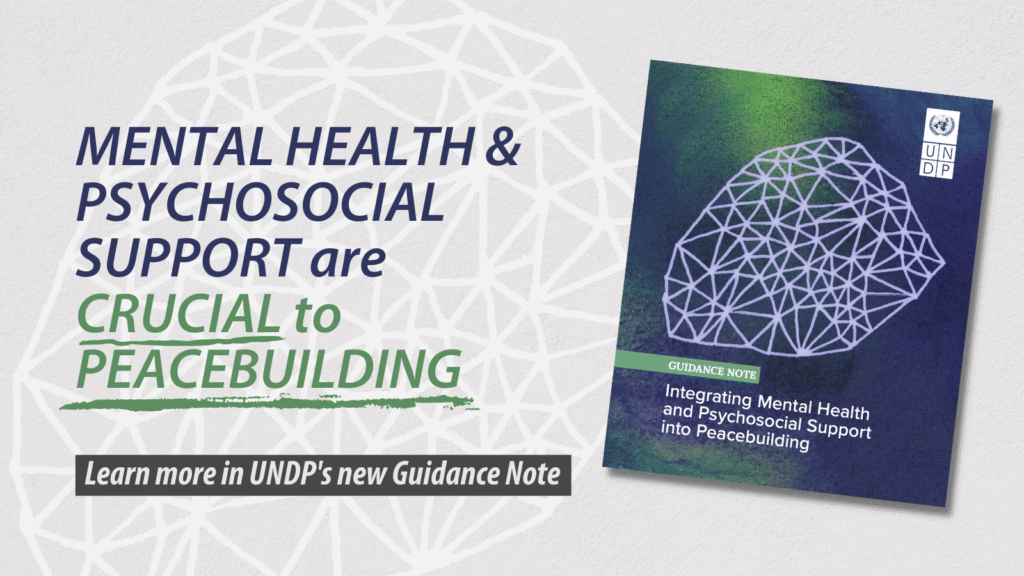
Grassroots Efforts: Healing from the Ground Up
Despite the international policy gap, local communities are innovating powerful approaches to integrate MHPSS with peacebuilding:
- Sri Lanka: Community consultations helped integrate psychosocial care into transitional justice, ensuring a “do-no-harm” approach when victims shared traumatic testimonies.
- Nepal: Survivor-to-survivor groups, particularly women, used arts-based therapies like storytelling to process trauma. Persons with disabilities also participated through initiatives like the “Living Memories” exhibition, reducing stigma.
- Iraq: Programs combined livelihood training with coping mechanisms to manage stress, fostering resilience and cohesion between displaced people and host communities.
These grassroots efforts illustrate how trauma healing can be culturally grounded, inclusive, and deeply connected to broader peacebuilding goals. However, their visibility at the international level is low, limiting access to funding and partnerships.

The Role of the International Community
From “Do-No-Harm” to Full Integration
International actors, including the UN, NGOs, and donors, can support MHPSS integration along a spectrum:
- Minimum: Adopt “do-no-harm” principles to avoid retraumatizing participants.
- Medium: Link peacebuilding projects to existing MHPSS services.
- Full Integration: Design programs with dual goals of peacebuilding and mental health healing, as seen in grassroots initiatives.
Funding, Partnerships, and Knowledge-Sharing
Sustainable financing is critical. While the UN Peacebuilding Fund (PBF) has supported some MHPSS programming in Central African Republic, Somalia, and South Sudan, this remains a small share of its portfolio. Scaling up funding for trauma-informed programs is essential. Moreover, surveys of peacebuilding practitioners reveal strong support for integration but highlight a need for training, materials, and partnerships. International actors should act as co-creators and co-learners, rather than imposing external solutions.
Cross-Regional Learning
Many grassroots practices—from art and storytelling to nature-based healing—share similarities across cultures. By facilitating cross-regional learning while respecting local contexts, the international community can amplify best practices and strengthen locally led approaches.
Also read: TVS Raider Super Squad Launches Deadpool & Wolverine Editions at Rs. 99,465
Conclusion
First, sustainable peace is impossible without addressing the psychological wounds of war. Trauma undermines trust, fuels cycles of revenge, and hinders reconciliation. Ignoring these impacts risks perpetuating violence even after formal peace agreements are signed.
Second, children and youth deserve particular attention. Trauma during critical developmental years not only harms individuals but also destabilizes entire generations. Peacebuilding strategies must account for these long-term effects to avoid passing conflict legacies into the future.
Third, grassroots actors are already innovating solutions, from survivor-to-survivor healing circles to livelihood programs that combine economic recovery with stress management. These initiatives demonstrate that addressing MHPSS can strengthen both resilience and social cohesion. However, they need greater visibility, support, and funding.
Finally, the international community has a responsibility to move beyond rhetoric and ensure that MHPSS is fully integrated into peacebuilding policies and programs. Financing, partnerships, and capacity-building are crucial. As the IASC notes, “A peaceful society cannot exist if psychological impacts of war are left unaddressed.” Peacebuilding must therefore be as much about healing minds and hearts as rebuilding institutions and infrastructure.
FAQs on Peacebuilding and Mental Health
1. Why is mental health important in peacebuilding?
Mental health is central to peacebuilding because trauma shapes how individuals and communities respond to conflict resolution efforts. People suffering from PTSD, depression, or anxiety are less likely to trust others, support reconciliation, or engage in nonviolent solutions. Addressing mental health is therefore essential for building lasting peace.
2. How does trauma affect future generations?
Trauma has intergenerational impacts. Children exposed to conflict are more likely to show aggression, have difficulty managing stress, and struggle with empathy. Parents with untreated trauma may also struggle to nurture their children emotionally. Collective memories of violence can reinforce divisions across communities, perpetuating cycles of mistrust and hostility.
3. What role do grassroots actors play in integrating MHPSS into peacebuilding?
Grassroots actors—including women, youth, and indigenous communities—play a vital role because they design programs rooted in local knowledge and culture. Their initiatives include truth-telling, arts-based therapies, livelihood support, and disability inclusion. These efforts directly address trauma while fostering social cohesion.
4. How can the international community better support MHPSS in peacebuilding?
The international community can provide funding, partnerships, training, and knowledge-sharing. Donors should expand support through mechanisms like the UN Peacebuilding Fund. International actors should also act as co-learners, respecting local expertise while helping scale successful approaches across regions.
5. What does “do-no-harm” mean in the context of peacebuilding and MHPSS?
“Do-no-harm” means designing peacebuilding initiatives in ways that do not retraumatize participants. For example, transitional justice processes must ensure that victims giving testimony receive proper psychosocial support. This principle sets the minimum standard for integrating MHPSS into peacebuilding.
hoirlo