
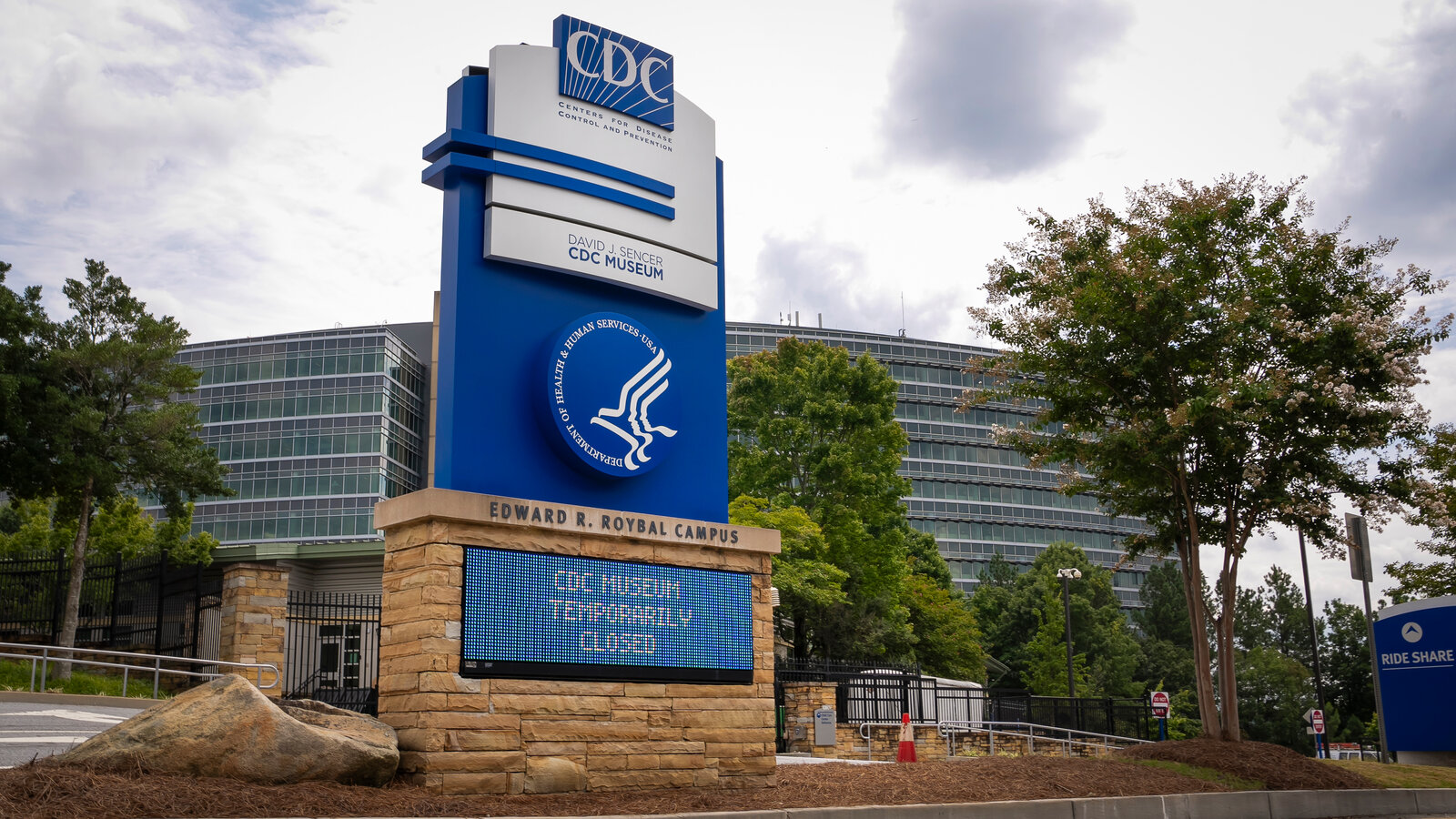
CDC Director Refuses to Step Down After White House Order: A Deepening Public Health Standoff

Anusha N
9 Min Read
CDC Director Refuses to Step Down After White House Order

CDC Director: The US Centers for Disease Control and Prevention (CDC) has been thrown into unprecedented turmoil after its director, Dr. Susan Monarez, refused to leave her post despite the White House announcing her termination. The dramatic standoff underscores a widening rift between career public health leaders and the Trump administration’s political appointees.

Dr. Monarez, who has only been in the position for a month, insists her removal is unlawful and politically motivated. Her legal team argues that only the President can dismiss her, not White House officials. Her refusal to vacate the role reflects deep divisions over vaccine policy, pandemic preparedness, and the future of one of the world’s most respected health agencies.

The White House, however, has remained firm. Officials claim Dr. Monarez was removed because she was “not aligned with the president’s agenda.” The announcement came just as the administration seeks to overhaul the CDC’s direction under Health Secretary Robert F. Kennedy Jr., a controversial figure known for his vaccine skepticism. As a result, the agency now finds itself in crisis, with top leadership resignations and mounting concerns from health experts worldwide.

Why Was Dr. Susan Monarez Fired?

The White House maintains that Monarez’s dismissal was based on her unwillingness to follow the administration’s health policies. According to an official statement, she was “not aligned with the president’s agenda,” particularly regarding vaccine distribution and public messaging.

Dr. Monarez, however, strongly disputes this reasoning. Through her attorneys, she stated that she was unwilling “to rubber-stamp unscientific, reckless directives” that she believed endangered public health. Her supporters argue that the move was politically motivated, part of a broader effort to silence scientific dissent.

White House’s Replacement Plan

Reports suggest that Jim O’Neill, a former tech investor and current deputy secretary at the Department of Health and Human Services, will serve as acting CDC director. O’Neill’s background has raised concerns, as he is not a physician or public health scientist. Critics argue that appointing someone without deep medical expertise could undermine the credibility of the CDC at a critical time.

Read about: Why Peacebuilding Must Include Mental Health and Psychosocial Support (MHPSS)

Growing Exodus of Senior CDC Leaders

The removal of Dr. Monarez has triggered a wave of resignations from other senior CDC officials. Among those who stepped down are:

  • Debra Houry, Chief Medical Officer, who warned against cuts to the agency’s budget and the rise of vaccine misinformation.
  • Daniel Jernigan, head of the National Center for Emerging and Zoonotic Infectious Diseases, citing the “current context in the department.”
  • Demetre Daskalakis, head of the National Center for Immunization and Respiratory Diseases, who left due to the “weaponizing of public health.”
  • Dr. Jennifer Layden, director of the Office of Public Health Data, Surveillance and Technology, according to reports.

This leadership vacuum comes on the heels of the firing of around 600 CDC employees, many of whom were central to America’s response to infectious diseases.

Reactions From Lawmakers and Experts

The firings and resignations have sparked political outrage. Senator Bernie Sanders called the dismissal of Dr. Monarez “reckless” and “dangerous,” demanding a congressional investigation.

Public health experts warn that the turmoil could weaken the CDC’s ability to address pressing health threats, from Covid-19 to bird flu and environmental hazards. Critics argue that the White House is prioritizing political loyalty over scientific integrity, risking public trust in the nation’s foremost health agency.
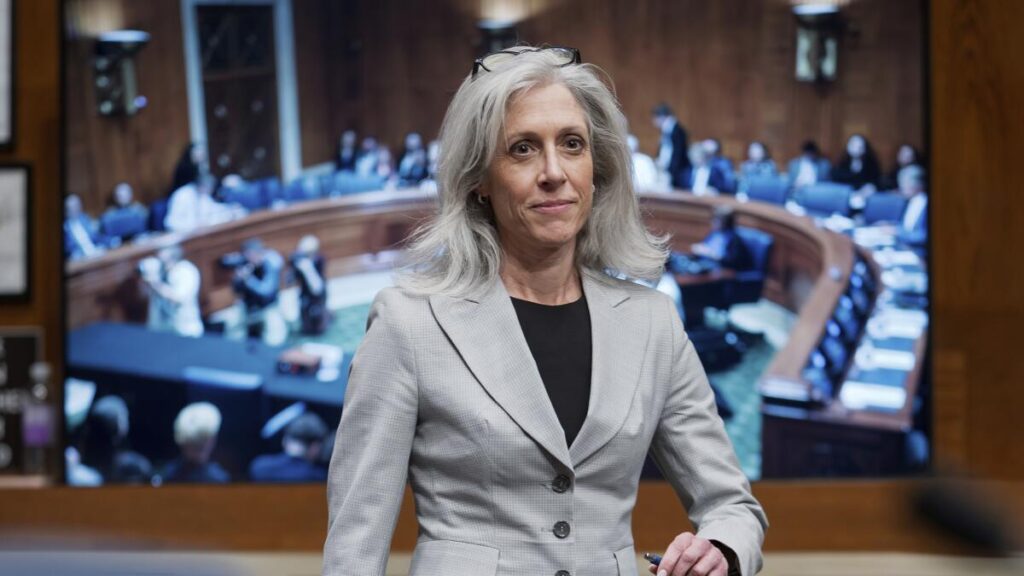
FILE – Susan Monarez, President Donald Trump’s nominee to be director of the Centers for Disease Control and Prevention, arrives to testify before the Senate HELP Committee, at the Capitol in Washington, Wednesday, June 25, 2025. (AP Photo/J. Scott Applewhite, File)

The Role of RFK Jr. and Vaccine Policy

Much of the conflict appears rooted in vaccine policy under Health Secretary Robert F. Kennedy Jr., a vocal vaccine skeptic. Reports suggest that Dr. Monarez clashed with Kennedy over restricting Covid-19 vaccine eligibility and over the administration’s messaging around immunization.

Earlier this week, the FDA approved new Covid vaccines but limited eligibility to seniors and vulnerable populations. Kennedy has argued that broad vaccine mandates are no longer justified, a stance many within the CDC see as influenced more by politics than science.

Also read: Volvo ES90: A Premium Electric Sedan with an Impressive 700km Range

What This Means for the Future of Public Health

The CDC, long considered a gold standard for global health guidance, now faces an uncertain future. The ongoing leadership crisis raises questions about the agency’s independence, credibility, and ability to function under political pressure.

If political agendas continue to dictate science-driven policies, experts warn that the consequences could include weaker responses to pandemics, lower vaccine uptake, and further erosion of public trust in health institutions.

Conclusion

The refusal of Dr. Susan Monarez to step down as CDC director has escalated into a defining battle over the role of science in government decision-making. At its core, this crisis highlights a dangerous collision between politics and public health at a time when America cannot afford weakened institutions.

For decades, the CDC has been a beacon of scientific authority, guiding the country through outbreaks and crises. But as political interference deepens, its independence appears at risk. The forced departure of top scientists and leaders raises alarms not just in Washington but around the world, as global health experts watch one of the most important agencies falter.

The question now is whether the CDC can recover its autonomy—or whether it will become a tool for political agendas rather than a trusted voice for science. For the American public, the stakes are high: access to reliable health guidance, vaccine policy, and the nation’s preparedness for future health crises depend on it.

In the coming weeks, congressional oversight, legal battles, and further resignations may shape the outcome. But regardless of the immediate resolution, this standoff marks a turning point in the relationship between science and politics in America.

CDC Director Refuses to Step Down After White House Order FAQs

1. Why did the White House fire Dr. Susan Monarez?

The White House stated that Dr. Monarez was removed because she was “not aligned with the president’s agenda.” However, Monarez and her lawyers argue that her firing was politically motivated after she refused to endorse unscientific directives, particularly around vaccines.

2. Can the CDC director legally refuse to step down?

The legality of Dr. Monarez’s refusal is contested. Her lawyers argue that only the President has the authority to dismiss her, not White House officials. If challenged in court, this could set a precedent for the limits of executive influence over public health agencies.

3. How has Robert F. Kennedy Jr. influenced CDC policy?

As Health Secretary, Kennedy has pushed for limiting vaccine access and rolling back mandates. His vaccine-skeptical stance has clashed with career scientists within the CDC, leading to resignations and growing concern over the agency’s direction under his leadership.

4. What impact will leadership changes have on the CDC?

The wave of resignations and firings could destabilize the CDC, weakening its ability to respond to public health threats. With around 600 employees recently dismissed and senior officials leaving, institutional knowledge and capacity are at risk.

5. What does this mean for public trust in vaccines?

Public trust in vaccines could decline further if political interference overrides scientific recommendations. Experts warn that undermining the CDC’s credibility could reduce vaccine uptake, fuel misinformation, and make future outbreaks harder to contain.

Share This Article
1 Comment

Leave a Reply

Your email address will not be published. Required fields are marked *