

The Health Benefits of CBD: Cannabidiol, more commonly known as CBD, has become one of the most widely discussed natural supplements in recent years. Derived from the cannabis plant, CBD is often praised for its potential to ease a variety of health concerns — ranging from chronic pain and anxiety to sleep disorders and even neurological conditions. Unlike THC (tetrahydrocannabinol), the psychoactive compound found in cannabis that causes the “high,” CBD does not produce intoxicating effects. This key distinction has made CBD a preferred alternative for individuals seeking therapeutic benefits without the mind-altering impact.
What is CBD and How Does It Work?
CBD is one of over 100 cannabinoids found in the cannabis plant. It interacts with the body’s endocannabinoid system (ECS), which regulates functions such as pain, mood, sleep, appetite, and immune response. The ECS uses neurotransmitters called endocannabinoids that bind to cannabinoid receptors (CB1 and CB2) throughout the body. CBD doesn’t bind directly to these receptors like THC but influences them indirectly, helping to maintain balance (homeostasis) in bodily systems.
Read about: Intermittent Fasting: Benefits or Risks? A New Study Raises Questions About Heart Health
Health Benefits of CBD
1. CBD for Pain Relief
CBD has been linked to reducing pain and inflammation, making it a popular choice for conditions such as arthritis, fibromyalgia, and chronic back pain. Research suggests that CBD can influence receptor activity in the ECS, lowering inflammatory responses and pain signals. Some studies show CBD may work best when combined with THC in certain formulations.
2. CBD and Anxiety/Depression
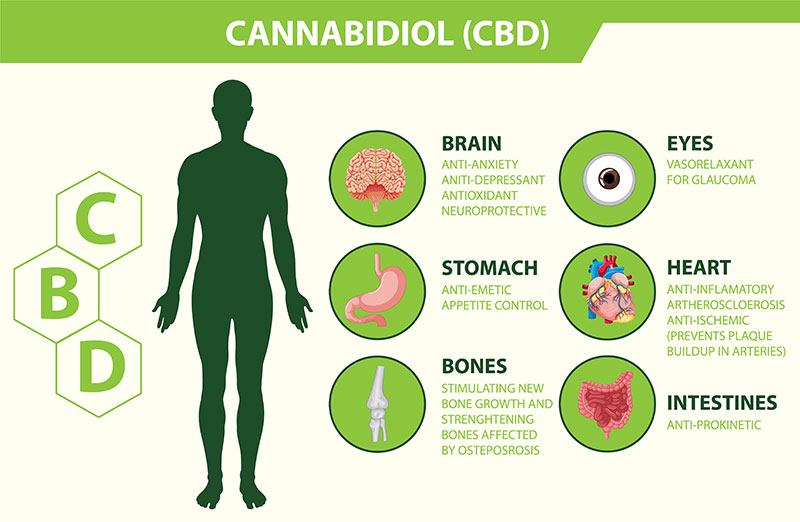
CBD has demonstrated potential in easing symptoms of anxiety, stress, and depression. A 2020 review highlighted evidence suggesting CBD has calming effects on the nervous system. Some small-scale studies even indicated improvement in PTSD-related symptoms, such as nightmares and intrusive thoughts. However, doctors still emphasize that CBD should not replace standard psychiatric treatment.
3. CBD for Sleep Improvement
Sleep problems, including insomnia and difficulty staying asleep, are common reasons people try CBD. Research indicates that small doses of CBD (around 15 mg) may be as effective as melatonin in promoting better sleep quality. Anecdotal reports suggest CBD may calm racing thoughts or ease pain that disrupts sleep, although its role in treating sleep disorders like apnea remains inconclusive.
4. CBD and Heart Health
High blood pressure is a risk factor for serious conditions like stroke and heart attack. Early research shows CBD may support heart health by widening blood vessels and improving circulation. For instance, a 2020 study involving healthy men found that CBD reduced blood pressure in the short term, though the effect did not last with prolonged use.
5. CBD in Cancer Symptom Management
CBD may help alleviate nausea, vomiting, and pain related to cancer treatments like chemotherapy. Some studies suggest it could even play a role in slowing tumor progression when combined with THC, though research in this area is still very limited.
6. Neuroprotective Benefits
CBD’s potential extends to neurological disorders. The FDA-approved CBD medication Epidiolex is currently used to treat rare forms of epilepsy, such as Dravet syndrome. Research also points to potential benefits for multiple sclerosis, Parkinson’s disease, and Huntington’s disease, though findings remain preliminary.
7. Other Emerging Benefits
- Substance use recovery: May reduce anxiety in people overcoming drug dependency.
- Autism spectrum disorder (ASD): Early evidence suggests CBD may reduce irritability and improve behavior.
- Glioblastoma treatment: Combination of CBD and THC may extend life expectancy in some cancer patients.
Potential Side Effects of CBD
While CBD is generally well-tolerated, it is not free from side effects. Common adverse effects include:
- Diarrhea and digestive issues
- Changes in appetite or weight
- Fatigue or drowsiness
- Abnormal liver function results (especially when combined with certain medications)
Drug interactions are an important consideration. CBD can affect how the body metabolizes medications like blood thinners, antidepressants, and epilepsy drugs. This underscores the importance of consulting a healthcare provider before starting CBD.
Another major concern is the lack of regulation in the CBD market. Many products are mislabeled or contain contaminants. Therefore, choosing third-party tested CBD products is essential to ensure safety and quality.
Also read: KTM 390 Adventure X Bookings On Hold – Major Upgrade Incoming With Full Electronic Rider Aids
Conclusion
CBD has emerged as one of the most intriguing wellness supplements of the decade, with its ability to offer therapeutic benefits without causing intoxication. From easing chronic pain to improving sleep and reducing anxiety, CBD continues to attract both researchers and consumers. Though most of the findings are preliminary, the evidence so far points toward meaningful health applications.
FAQs
1. Is CBD good for joint pain?
Yes, CBD may help reduce joint pain by lowering inflammation and interacting with the body’s pain-regulating endocannabinoid system. Many people with arthritis report improvements in stiffness and discomfort after using CBD oil or creams. However, long-term, large-scale studies are still limited, so CBD should be used alongside — not instead of — conventional treatments.