
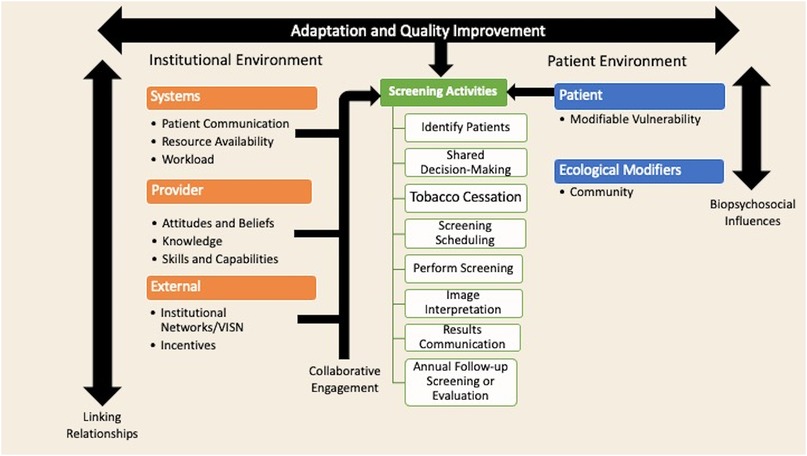
Barriers of Lung Cancer Screening Participation: Lung cancer remains the most common and deadliest cancer worldwide, accounting for 2.5 million new cases and 1.8 million deaths in 2022. Despite remarkable advancements in cancer treatment, survival rates remain poor, largely because most patients are diagnosed at later stages of the disease. Early detection is crucial, and low-dose computed tomography (LDCT) has emerged as a proven screening method to identify lung cancer earlier and improve patient outcomes.
Global evidence suggests that multiple factors influence whether individuals choose to participate in LCS. These factors range from organizational challenges such as limited healthcare access and insurance coverage, to healthcare provider-related barriers such as insufficient training, to personal concerns like fear of diagnosis and lack of awareness.
Global Evidence on Lung Cancer Screening Participation
Study Design and Data Sources
The umbrella review examined seven systematic reviews and 54 recent research articles published up to 2021, with additional original studies included afterward. Data were extracted, assessed, and synthesized through internationally recognized appraisal tools, including the Mixed Methods Appraisal Tool and the Joanna Briggs Institute assessment. The final review incorporated findings from 110,999,150 participants globally, making it one of the most comprehensive analyses of lung cancer screening participation to date.
Read about: A Personal Health Large Language Model for Sleep and Fitness Coaching
Facilitators of Lung Cancer Screening Participation
Organizational-Level Facilitators
- Promotion of screening programs through targeted campaigns and awareness initiatives.
- Trained healthcare staff who can guide patients effectively.
- Integration of LCS with existing services such as smoking cessation clinics.
- Supportive technology for reminders, follow-ups, and electronic health record integration.
Individual-Level Facilitators
- Previous positive healthcare experiences.
- Higher awareness of lung cancer risks.
- Motivation driven by family history of cancer or smoking-related concerns.
Barriers to Lung Cancer Screening Participation
Organizational-Level Barriers
- Reduced access to healthcare facilities in rural or underserved areas.
- Limited insurance coverage or unclear reimbursement policies.
- Inadequate workforce and lack of staff training.
- Poor communication systems and technological infrastructure.
Healthcare Provider-Level Barriers
- Insufficient LCS knowledge or skills among healthcare professionals.
- Suboptimal referral processes leading to missed opportunities.
- Lack of awareness about insurance coverage among providers themselves.
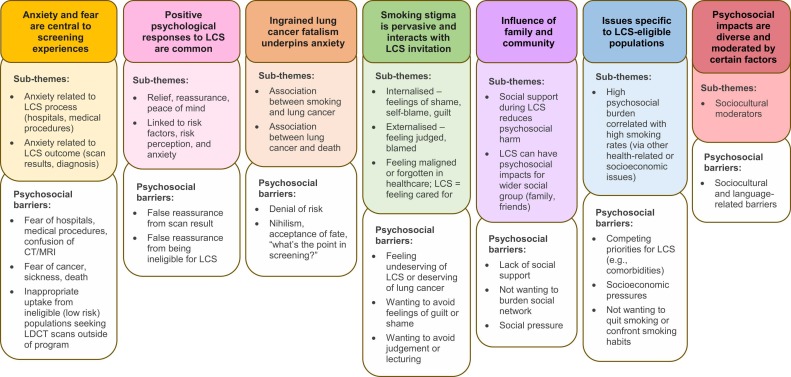
Policy and Public Health Implications
The findings highlight that while individual fears and lack of awareness are significant, the most impactful solutions lie in addressing upstream organizational and provider-level barriers. Policymakers can improve participation rates by:
- Expanding insurance coverage and simplifying reimbursement processes.
- Training healthcare providers to deliver consistent, evidence-based screening recommendations.
- Investing in technology-driven solutions like automated reminders and digital educational tools.
- Strengthening community outreach to reduce health inequities.
Also read: Kia EV5 Review 2025 – Price, Range, Specs, Features & Rivals
Frequently Asked Questions
1. Why is lung cancer screening participation so low worldwide?
Participation remains low due to a combination of organizational barriers (limited healthcare access, insurance gaps), healthcare provider challenges (lack of training, poor referral systems), and individual-level factors (fear of diagnosis, low awareness, financial worries). Many people are unaware that lung cancer screening programs exist or misunderstand their eligibility. Others avoid screening because of anxiety about potential results or practical issues like time constraints.
2. What role does health insurance play in lung cancer screening?
Health insurance is a critical facilitator. In countries where LCS is fully or partially covered, participation rates are significantly higher. Conversely, lack of insurance or unclear reimbursement policies create confusion and discourage people from enrolling. Even when programs exist, many patients and providers remain unaware that insurance covers the costs, highlighting the need for better education and transparent policies.