
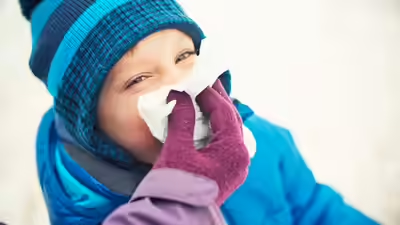
How Cold: As the winter season sets in, it brings along its familiar companions — colds, coughs, and an uptick in respiratory infections. The crisp air, cozy sweaters, and foggy mornings may feel refreshing, but beneath the charm of the season lies a biological challenge. Every year, the drop in temperature and humidity weakens the body’s first line of defense, leaving us more vulnerable to infections. From common colds and influenza to sinusitis and bronchitis, winter illnesses seem to strike almost predictably. But why does this happen so consistently?
The answer lies in the invisible yet powerful influence of cold and dry air on our respiratory system and immune response. When temperatures dip, both our body and the viruses that surround us behave differently. The cold constricts blood vessels in the nose, lowers mucosal temperature, and slows down immune activity — essentially giving viruses a head start. Meanwhile, the dry air steals moisture from the environment and our airways, compromising the mucus layer that normally traps and eliminates microbes.
Researchers at Mass Eye and Ear and Northeastern University have even discovered that a small drop in nasal temperature — from the normal 37°C to about 32°C — can significantly weaken antiviral defenses. This finding offers scientific proof of what people have experienced for centuries: that exposure to cold and dry air doesn’t just make us uncomfortable — it actually lowers our immunity, paving the way for viral infections to thrive.
The Science Behind How Cold Air Weakens the Immune System
Nasal Defense System Takes a Hit
Our nose acts as the body’s first line of defense against airborne pathogens. However, when we inhale cold air, the nasal passages cool rapidly. This cooling causes blood vessels to constrict, reducing blood flow and limiting the number of immune cells available to fight off invading viruses. The nasal mucosa, which releases antiviral molecules, becomes sluggish, slowing the body’s natural response to infection.
A 2022 study published by Mass Eye and Ear revealed that when the nasal temperature dropped even slightly, the release of extracellular vesicles — tiny immune particles that neutralize viruses — fell by almost 42%. These vesicles normally act as decoys that trap viruses before they infect cells. Reduced vesicle activity means the nasal passages lose their protective edge in colder weather.
Low Core Body Temperature Impacts Immune Efficiency
Cold air exposure also slightly lowers core body temperature, especially in peripheral areas such as the nose, throat, and lungs. This reduction interferes with white blood cell activity and slows down immune signaling, making it harder for the body to recognize and eliminate pathogens swiftly. Even mild surface cooling can suppress the immune system’s ability to respond effectively.
Why Dry Air Makes Things Worse
1. Thinning of the Mucus Barrier
Dry air strips moisture from the respiratory tract. When humidity levels drop below 30%, the mucus lining in the nose and throat becomes thicker and stickier, reducing its ability to trap and clear pathogens. According to experts at the Cleveland Clinic, low humidity “makes mucus less effective as a trap for germs,” allowing bacteria and viruses to linger longer in the airways.
2. Increased Survival of Airborne Viruses
Low humidity doesn’t just weaken us — it helps viruses survive longer. A study published in PubMed Central found that the influenza virus spread most effectively in dry air environments (20–35% relative humidity) and survived longer in low-humidity, low-temperature conditions. This means that in winter, both the host’s defenses and the environment tilt in favor of viral transmission.
3. Irritation of Airways
Cold, dry air can irritate the sensitive lining of the airways, triggering inflammation, coughing, and bronchial constriction — particularly in people with asthma or chronic respiratory conditions. The result is not only increased infection risk but also worsened symptoms for those with pre-existing respiratory issues.
Read about: When to Introduce Kids to Peanuts to Help Avoid Allergies: Safe Timing, Steps, and Symptoms to Watch For
Common Winter Illnesses Linked to Cold, Dry Air
- Common Cold: Caused mainly by rhinoviruses that thrive in low temperatures.
- Influenza (Flu): More contagious in dry air and colder climates.
- Sinus Infections: Result from dried-out sinuses and mucus buildup.
- Bronchitis: Inflammation worsened by cold air exposure.
- Sore Throat: Triggered by dry mucous membranes and cold inhalation.

How to Protect Yourself This Winter
1. Maintain Indoor Humidity
Use a humidifier to keep indoor humidity between 40% and 50%. This helps preserve the moisture in your respiratory tract and reduces virus survival in the air. Avoid over-humidifying, as excessive humidity can encourage mold growth.
2. Keep Warm, Especially Around the Nose
Cover your nose and mouth with a scarf or mask while outdoors. This helps warm and humidify the air before it enters your lungs, protecting the nasal mucosa and throat.
3. Stay Hydrated
Drink plenty of water, herbal teas, and soups. Proper hydration helps maintain mucus viscosity and supports the body’s immune functions.
4. Support Your Immune System
Ensure adequate intake of vitamin C, vitamin D, zinc, and antioxidants. Eat immune-boosting foods like citrus fruits, spinach, garlic, and nuts. Adequate sleep and regular moderate exercise also enhance immune defense.
5. Ventilate Your Living Spaces
Even during winter, allow fresh air circulation to prevent buildup of indoor pathogens. Open windows briefly each day or use an air purifier with HEPA filters to reduce airborne viruses.
The Role of Masks and Hygiene
Masks do more than protect against COVID-19; they also help warm and humidify the air you breathe. Washing hands frequently, disinfecting high-touch surfaces, and avoiding crowded indoor areas remain key preventive measures against respiratory illnesses.
Conclusion
Winter doesn’t have to be synonymous with sickness. Understanding how cold and dry air affects your body is the first step in staying healthy through the season. When temperatures drop, our nasal immune defenses slow down, mucus becomes less effective, and viruses find ideal conditions to thrive — making us more susceptible to infections.
Fortunately, small adjustments can make a big difference. Maintaining proper humidity, staying hydrated, and covering your face in cold air can help preserve your body’s natural barriers. These actions may sound simple, but they are scientifically proven to protect against respiratory illnesses.
Moreover, boosting immunity through a balanced diet, regular exercise, and good sleep keeps your body resilient, no matter how cold it gets outside. Combined with mindful indoor air management, these practices form a powerful shield against seasonal ailments.
In essence, winter wellness isn’t just about bundling up — it’s about maintaining internal balance and protecting your respiratory defenses. By respecting the interplay between air, immunity, and environment, you can breathe easier all season long.
Also read: Oppo Find X9 Pro Review – Design Evolution, Power, and Performance in a Premium Flagship
FAQs About Cold, Dry Air and Immunity
1. Why do people get sick more often in winter?
People fall ill more frequently in winter because cold and dry air weakens nasal immunity, allowing viruses to infect more easily. Low humidity also increases virus survival in the air, while people spend more time indoors in close contact — all factors that promote infection.
2. How does dry air affect the respiratory system?
Dry air removes moisture from the respiratory tract, making the mucus layer thicker and less effective. This impairs the body’s ability to trap and expel pathogens, allowing viruses and bacteria to penetrate deeper into the lungs. It can also cause irritation, coughing, and sore throats.
3. Can humidifiers really prevent winter illnesses?
Yes. Using a humidifier maintains optimal humidity levels indoors, preventing mucus membranes from drying out and reducing virus survival. Studies show that keeping humidity between 40–50% decreases transmission rates of influenza and other respiratory viruses.
4. What vitamins help boost immunity during cold weather?
Vitamin D, vitamin C, zinc, and antioxidants are crucial during winter. Vitamin D helps regulate immune response, while vitamin C and zinc support white blood cell function. Eating nutrient-rich foods like citrus fruits, leafy greens, and nuts enhances natural immunity.
5. Can covering your face in cold air really make a difference?
Absolutely. Covering your face with a scarf or mask helps trap warmth and moisture, keeping your nasal passages from drying out. This not only makes breathing more comfortable but also helps maintain immune efficiency and prevent irritation caused by cold, dry air.