

Does Bisoprolol Benefit Patients with COPD: Chronic obstructive pulmonary disease (COPD) is a long-term lung condition marked by persistent breathlessness, airflow limitation, and frequent flare-ups. Most commonly linked to smoking, COPD often exists alongside cardiovascular disease, creating complex treatment decisions for clinicians. One long-standing question has been whether beta blockers—widely used heart medications, can improve outcomes in people with COPD.
A new large-scale international study now provides clarity. According to the findings, adding the cardioselective beta blocker bisoprolol to standard COPD treatment does not deliver additional benefits for respiratory or combined heart–lung outcomes.
Why Beta Blockers Were Tested in COPD Patients
Beta blockers are proven to reduce heart attacks, hospitalisations, and mortality in patients with cardiovascular disease. However, their use in COPD has remained controversial due to concerns that they might worsen breathing by affecting airway function.
To address this uncertainty, researchers launched a double-blind, randomised phase 3 clinical trial across 22 sites in Australia, India, New Zealand, and Sri Lanka. The goal was to determine whether bisoprolol could safely improve outcomes in patients with moderate-to-severe COPD.
Study Design and Patient Profile
The trial included adults aged 40 to 85 years with:
- Moderately severe COPD
- Reduced lung function
- A history of COPD exacerbations
Findings – No Improvement Over Placebo
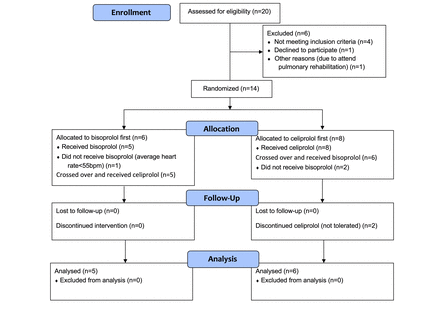
The primary outcome combined several important clinical measures, including:
- All-cause mortality
- Hospital admissions for cardiac or respiratory causes
- COPD exacerbations
- Lung function (FEV1)
- Quality of life and symptom scores
Major observations:
- Mortality rates were similar in both groups
- No reduction in heart-related or lung-related hospitalisations
- No meaningful difference in COPD flare-ups
- Lung function and quality of life remained unchanged
What This Means for COPD Treatment
For everyday clinical practice, these results indicate that bisoprolol should not be prescribed solely to improve COPD or combined cardiorespiratory outcomes. However, the study also provides reassurance that the drug does not cause harm in this patient population.
- Heart failure
- Arrhythmias
- Ischaemic heart disease
Why This Study Matters
This trial highlights the importance of testing widely used cardiovascular medications specifically in people with COPD. Benefits seen in the general cardiac population cannot always be assumed to apply to those with chronic lung disease.
Read about: The Mental Health Burden of Atopic Dermatitis: Why the Skin-Brain Connection Matters
Conclusion
The new international trial shows that adding bisoprolol to standard COPD care does not improve survival, lung function, exacerbation rates, or quality of life. While the drug appears safe, it offers no added advantage for COPD management alone. Clinicians should continue prescribing beta blockers in COPD patients only when there is a clear cardiovascular indication, not as a routine COPD therapy.
Frequently Asked Questions
Q1. Is bisoprolol safe for patients with COPD?
Yes. The study found no increase in adverse events or COPD-related deaths linked to bisoprolol.
Q2. Should COPD patients stop beta blockers?
No. Patients with heart conditions should continue beta blockers as prescribed for cardiovascular benefits.
Q3. Does bisoprolol improve lung function in COPD?
No significant improvement in lung function or symptoms was observed compared to placebo.
Q4. Can beta blockers prevent COPD exacerbations?
This study found no reduction in moderate-to-severe COPD flare-ups with bisoprolol use.