
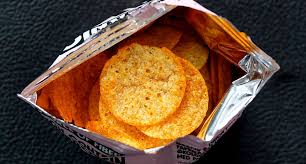
The Future of Snacking: Snacking is no longer just about satisfying a quick craving. As consumer awareness grows and lifestyles evolve, the future of snacking is being shaped by a fundamental shift in priorities. Today’s consumers want snacks that deliver on taste while also supporting their health, aligning with their values, and fitting seamlessly into busy, modern lives. From functional ingredients and personalised nutrition to sustainability and ethical sourcing, the snacking industry is entering a new era—one that is smarter, more intentional, and increasingly specialised.
Where Health, Wellness and Beauty Intersect
The idea of “healthy eating” has undergone a major transformation. Instead of focusing on restriction or calorie counting, consumers are now more interested in getting the most value from what they eat. With constant access to nutrition information through social media, wellness apps and expert-led content, people are becoming more knowledgeable about how food impacts their overall wellbeing.
Gut health, in particular, has emerged as a central pillar of wellness. Consumers now understand that digestive health influences not just immunity, but also mental wellbeing, energy levels, and even skin health. This awareness is fuelling demand for functional and fortified snacks that deliver holistic benefits beyond basic nutrition.
As a result, traditional indulgent snacks are being reimagined. Chocolate, once viewed purely as a treat, is now being enhanced with ingredients like probiotics and prebiotics for gut health, collagen for skin support, and adaptogens and vitamins for stress management and mood balance. These innovations blur the lines between food, wellness and beauty, turning everyday snacks into tools for self-care.
This holistic approach to wellness has gained strong momentum since 2020, particularly among younger generations. Millennials and Gen Z consumers are prioritising health and fitness, viewing food as a key contributor to mental clarity, emotional balance and sustained energy. For them, snacking must be convenient, functional and enjoyable—without feeling clinical or restrictive.
For brands, this creates exciting opportunities, but also clear challenges. The key lies in balancing scientific credibility with indulgence. Successful products will be those that seamlessly integrate functional benefits into familiar, great-tasting formats, ensuring health never comes at the cost of enjoyment.
Also read: Xpeng Teases Range Rover-Like GX SUV
Personalised Nutrition: A New Frontier in Snacking
Alongside the demand for healthier options, consumers are increasingly seeking personalisation. Technologies such as fitness trackers, nutrition apps, personalised health tests and wearable devices have enabled people to better understand their individual dietary needs. From sleep quality and stress levels to activity patterns and metabolism, consumers now have access to real-time health insights.
This shift is pushing brands beyond broad “better-for-you” claims toward more targeted solutions. The future of snacking lies in products that cater to specific goals—whether it’s improving focus, supporting sleep, maintaining energy throughout the day, or enhancing recovery after exercise.
As personal health data becomes more sophisticated, brands face the challenge of translating individual insights into products that remain scalable and accessible. Those that succeed will be able to offer tailored benefits without overwhelming consumers or fragmenting their product portfolios.
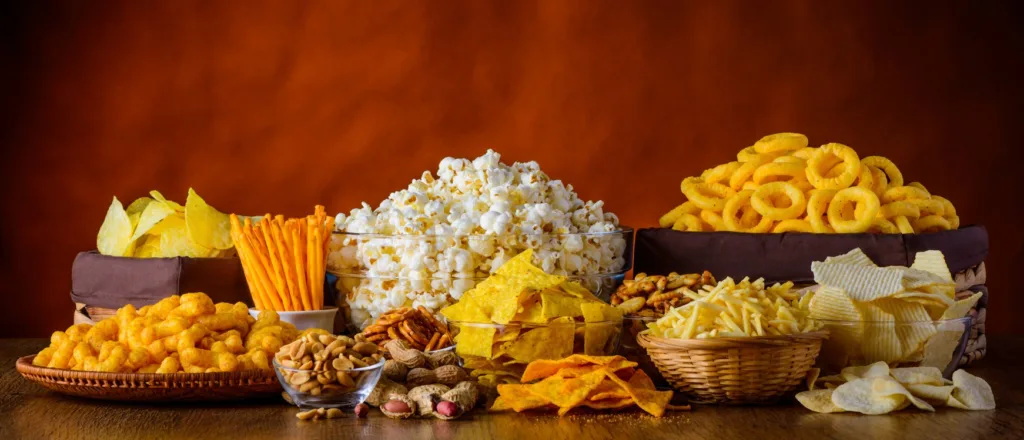
Specialised Snacking: Meeting Generational Needs
As life expectancy increases, the focus has moved from simply living longer to ageing well. By 2050, nearly 3.7 million people worldwide are expected to live beyond the age of 100. This demographic shift is creating new nutritional demands—and a significant growth opportunity for the snacking sector.
Older adults are increasingly looking for snacks that support long-term health, addressing areas that naturally decline with age. These include calcium and vitamin D for bone density, protein for muscle maintenance, and choline and omega-3s for cognitive function.
At the same time, younger, health-conscious generations are seeking snacks that boost immunity, improve mental wellbeing and support active lifestyles. Children’s snacking needs are also evolving, with parents demanding nutrient-dense options that support cognitive development and physical growth.
This has led to the rise of fortified and functional snacks designed for specific life stages—from protein-enriched products for older adults to brain-boosting, nutrient-rich snacks for children. The era of one-size-fits-all snacking is fading, replaced by more precise, purpose-driven offerings.
Sustainable Snacking: Ethical Choices Matter
Sustainability has become a defining factor in consumer decision-making. Today’s shoppers want transparency—not just about what’s in their food, but where it comes from and how it’s produced. Ethical sourcing, environmental impact and social responsibility are now central to brand trust and loyalty.
This shift is pushing companies to rethink supply chains, adopt regenerative agriculture, reduce food waste through upcycled ingredients, and move toward eco-friendly packaging. Fair trade sourcing, especially for ingredients like cacao, is no longer a niche concern but an expectation.
In an increasingly competitive market, sustainability is no longer optional. Brands that lead with transparency and meaningful action are better positioned to build long-term consumer trust and contribute to a more resilient food system.
Read about: Doing Just One Workout? Science Says Mixing Your Exercise Could Help You Live Longer
Looking Ahead
The future of snacking is being shaped by three powerful forces: healthier eating habits, generational specialisation, and sustainability. To stay relevant, brands must innovate with purpose—creating functional, personalised and planet-friendly products that meet evolving consumer needs.
Yet, one thing remains unchanged: taste still matters most. The brands that will thrive are those that successfully combine flavour, functionality and ethical responsibility—delivering snacks that people not only trust, but genuinely enjoy.