
A Twice-Yearly Shot to Control BP? : Hypertension, often called the “silent killer”, could soon face a game-changing innovation. For decades, managing high blood pressure has meant swallowing pills daily, often multiple times a day. But that long-standing model may be about to change dramatically. Scientists are now developing long-acting injectable therapies that could control blood pressure with just two injections a year.
What once sounded futuristic is now advancing through late-stage clinical trials. If successful, these therapies could represent one of the most significant shifts in cardiology in decades, transforming hypertension care from a daily adherence challenge into a long-acting, precision-based intervention.
The Global Burden of Hypertension
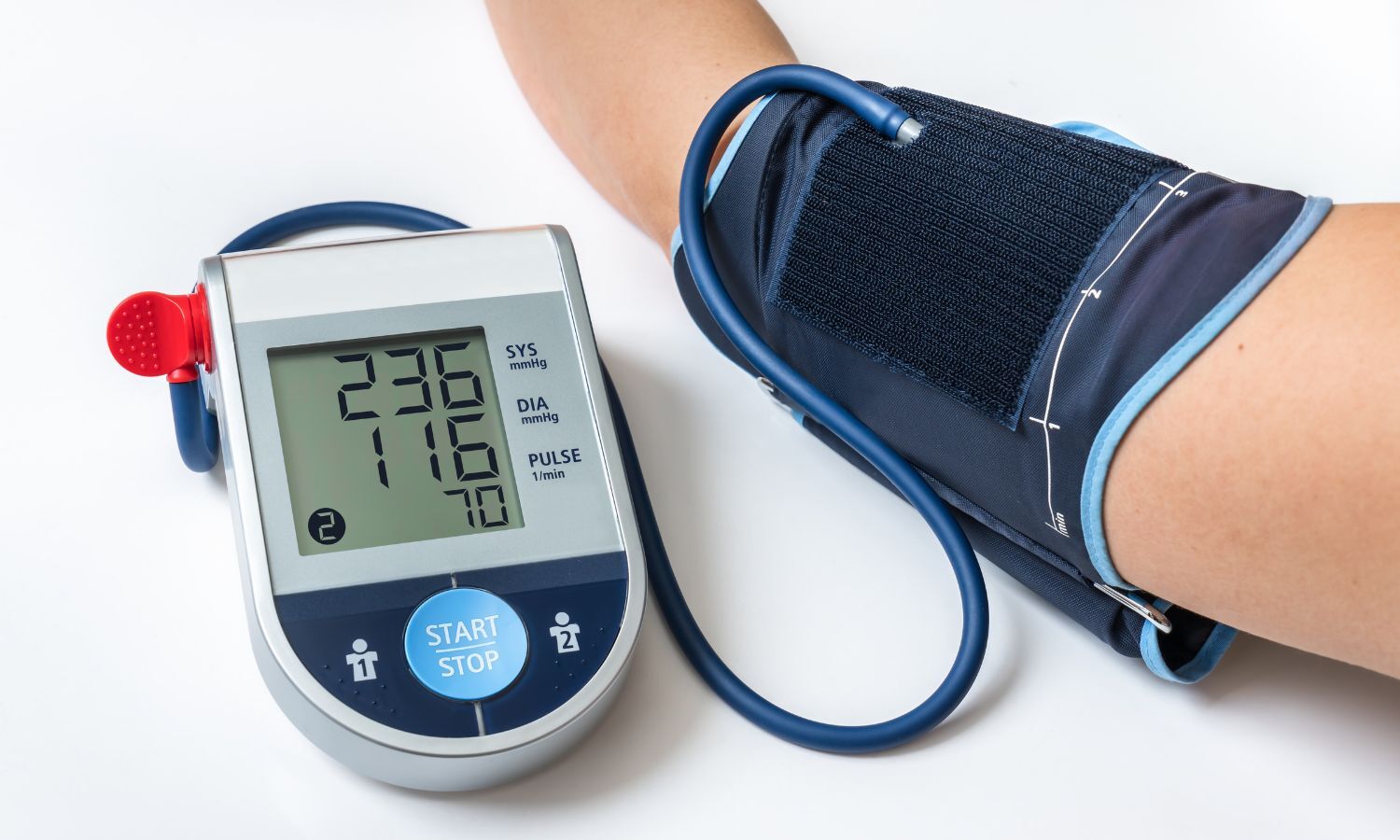
The scale of the problem is enormous. According to the World Health Organization, hypertension is defined as blood pressure at or above 140 mm Hg systolic and/or 90 mm Hg diastolic. Normal blood pressure is below 120/80 mm Hg.
Also read: L&T Finance Ltd. Scales Gold Loan Footprint to Over 260 Branches
The Science Behind Twice-Yearly Injections
The emerging injectable therapies work differently from traditional drugs. Instead of simply lowering blood pressure downstream, these agents target upstream molecular pathways that drive hypertension.
1. Silencing Angiotensinogen with siRNA
One of the most advanced candidates is Zilebesiran, developed by Roche and Alnylam Pharmaceuticals. Zilebesiran uses small interfering RNA (siRNA) technology to inhibit angiotensinogen production in the liver. Angiotensinogen is a key component of the renin–angiotensin system, a hormonal cascade central to blood pressure regulation.
By silencing this pathway at its source, the drug may provide sustained blood pressure reduction with a single injection lasting up to six months. It is currently in global Phase 3 trials after promising Phase 2 results.
2. Targeting Inflammation
Another candidate is Ziltivekimab, developed by Novo Nordisk.
This monoclonal antibody targets inflammatory pathways increasingly recognised as contributors to vascular dysfunction and cardiovascular risk. By reducing inflammation, it may not only lower blood pressure but also decrease overall cardiovascular risk.
3. Aldosterone Modulation
Other investigational approaches focus on more precisely controlling aldosterone, a hormone that increases sodium and water retention. Excess aldosterone raises blood volume and pressure. Targeted modulation of this pathway could offer sustained control with fewer side effects.
Why This Could Be Transformational
The appeal of twice-yearly injectables lies in durability and simplicity.
- Ensures consistent drug exposure
- Eliminates daily pill burden
- Reduces missed doses
- Potentially improves long-term cardiovascular outcomes
Cost Barriers
The experience with Inclisiran, introduced in India in 2024 for lowering LDL cholesterol, is instructive. Priced between ₹1.8 lakh and ₹2.4 lakh annually, it remains inaccessible to many. If hypertension injectables are similarly priced, they could remain out of reach in low- and middle-income countries where hypertension burden is highest.
Long-Term Safety
Hypertension is lifelong. Patients may require these therapies for decades. While early trials show promising safety profiles, long-term data on rare adverse events and sustained use across diverse populations will be essential before widespread adoption.
The Bigger Picture
If proven safe, effective, and affordable, twice-yearly blood pressure injections could:
- Improve global blood pressure control rates
- Reduce heart attacks and strokes
- Ease patient treatment burden
- Simplify healthcare delivery
Read about: 86 kg to 74 kg in 3 Months: The Power of a Genetics-Led Weight Loss Regimen
A Seismic Shift in the Making?
Hypertension care has relied on daily oral therapy for decades. A move toward long-acting molecular interventions represents more than a new drug it marks a philosophical shift in chronic disease management.
The “silent killer” may soon meet a powerful new shield. Whether this innovation reshapes global cardiology will depend not just on science, but on how equitably it can be delivered to the billions who need it most. For now, the future of blood pressure treatment appears closer than ever to being measured not in daily doses but in twice-yearly protection.
FAQ’s Of A Twice-Yearly Shot to Control BP
1. What is the twice-yearly injection for blood pressure?
It is a long-acting injectable therapy currently in late-stage clinical trials designed to control hypertension with just two doses per year, potentially replacing daily pills for some patients.
2. How does Zilebesiran work?
Zilebesiran uses small interfering RNA (siRNA) technology to block angiotensinogen production in the liver. This targets the renin–angiotensin system at its source, helping provide sustained blood pressure reduction for up to six months.
3. What is Ziltivekimab designed to do?
Ziltivekimab is a monoclonal antibody that targets inflammatory pathways linked to cardiovascular risk. By reducing inflammation, it may help lower blood pressure and protect heart health.
4. Will these injections replace daily blood pressure tablets?
If proven safe and effective, they could reduce or replace daily pills for some patients. However, final treatment decisions will depend on clinical guidelines and individual health conditions.
5. Are there concerns about cost and accessibility?
Yes. Similar long-acting therapies like Inclisiran are expensive. If hypertension injections are priced similarly, affordability could limit access, especially in low- and middle-income countries.
6. Are these treatments available now?
No. These therapies are still undergoing clinical trials. Regulatory approval, long-term safety data, and pricing decisions will determine when and how widely they become available.