
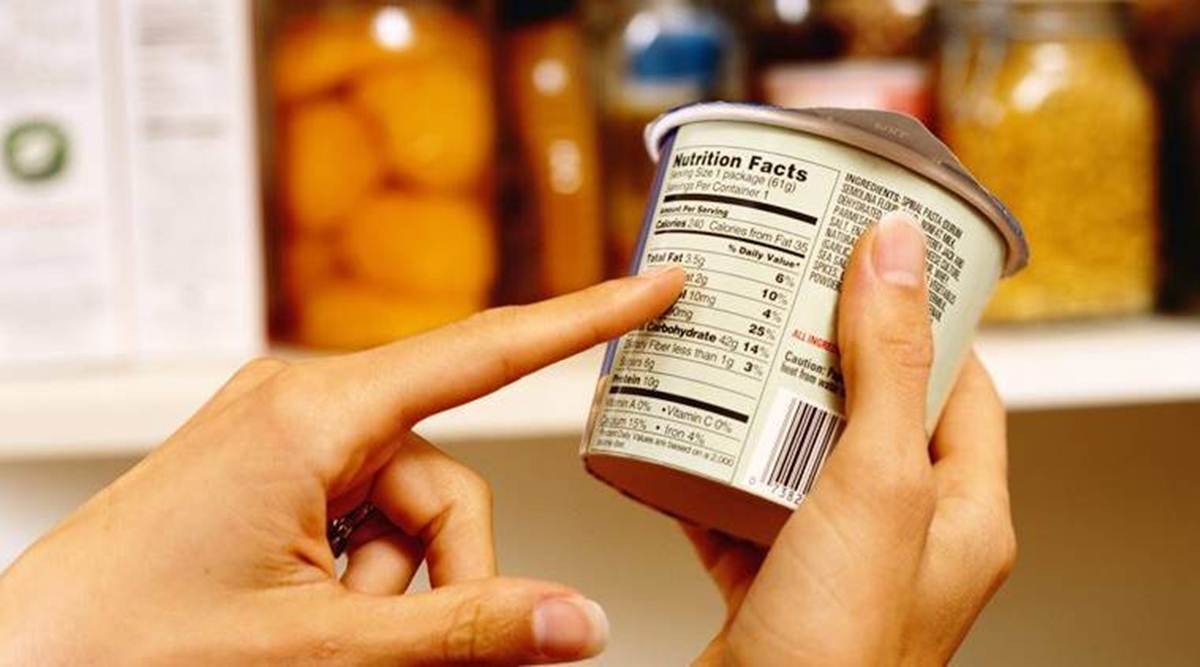
Is the Health Food Label Trustworthy? : When you pick up a snack packet or a nutrition bar from a supermarket shelf, how do you decide whether it is healthy? Most consumers rely on marketing claims such as “high protein,” “low fat,” or “multigrain.” But these claims can often be misleading. That is why front-of-pack (FOP) nutrition labelling has become one of the most important food policy debates in India today.
For nearly four years, India’s apex food regulator, the Food Safety and Standards Authority of India (FSSAI), has been working on regulations to mandate simplified labels on packaged foods. The goal is clear: help consumers quickly identify whether a product is high in sugar, salt, or unhealthy fats. However, despite broad agreement that better labelling is needed, there is still no consensus on what type of system should be implemented.
Why Front-of-Pack Labels Matter
Countries such as Chile, Mexico, and Argentina have adopted bold warning labels that clearly indicate when a product is high in sugar, sodium, or saturated fat. Public health experts argue that India must adopt a similarly strong, science-based approach.
The Case for Warning Labels
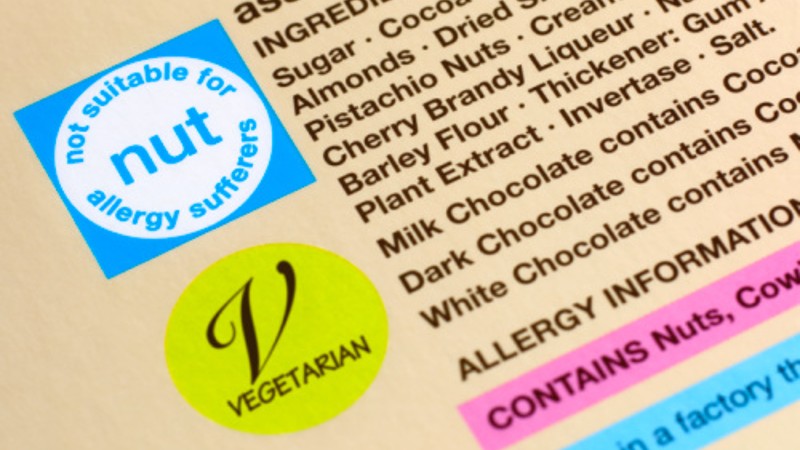
The idea is similar to India’s red and green dot symbols, which indicate whether a product is vegetarian or non-vegetarian. Consumers instantly understand these symbols without needing to read detailed information. Public health researchers believe that a simple warning label saying “High in Sugar” is far more effective than a rating that suggests a product may still be somewhat healthy.
Also read: Best Finance Sector Stocks to Buy in 2026: Investor Guide
FSSAI’s Push for the Indian Nutritional Rating
This system is similar to the Bureau of Energy Efficiency’s star rating used for electrical appliances in India. A 5-star refrigerator indicates high energy efficiency. Likewise, a 5-star food product would signal better nutritional quality.
Where the Conflict Lies
For instance, a packaged snack might receive additional points for containing fiber or protein, even if it is still high in sodium. Critics say this could create a “health halo” effect, where consumers perceive a product as healthy despite significant risks.
The debate intensified after the Economic Survey reportedly supported warning labels, suggesting they may be more effective in addressing India’s public health crisis. Yet, stakeholders remain divided, including industry groups, regulators, and civil society organizations.
Industry Concerns
Industry stakeholders argue that star ratings provide a more nuanced approach and allow gradual improvement rather than penalizing products outright. However, public health advocates counter that the primary objective of labelling is consumer safety not brand protection.
What’s Causing the Delay?
Nearly four years after discussions began, the delay in finalizing regulations reflects the complexity of balancing public health priorities with economic considerations. Policymaking in food regulation often requires reconciling competing interests. While consumer protection remains central, regulators must also consider trade implications, small-scale manufacturers, and compliance capacity.
Read about: A Twice-Yearly Shot to Control BP? Hypertension Care May Be on the Brink of a Revolution
Can Consumers Trust Labels?
The core issue is trust. If consumers cannot rely on labels to accurately signal health risks, the entire purpose of front-of-pack labelling is undermined. Warning labels are considered more transparent because they directly flag harmful levels of nutrients. Star ratings, while potentially informative, may require interpretation and could unintentionally mislead.