
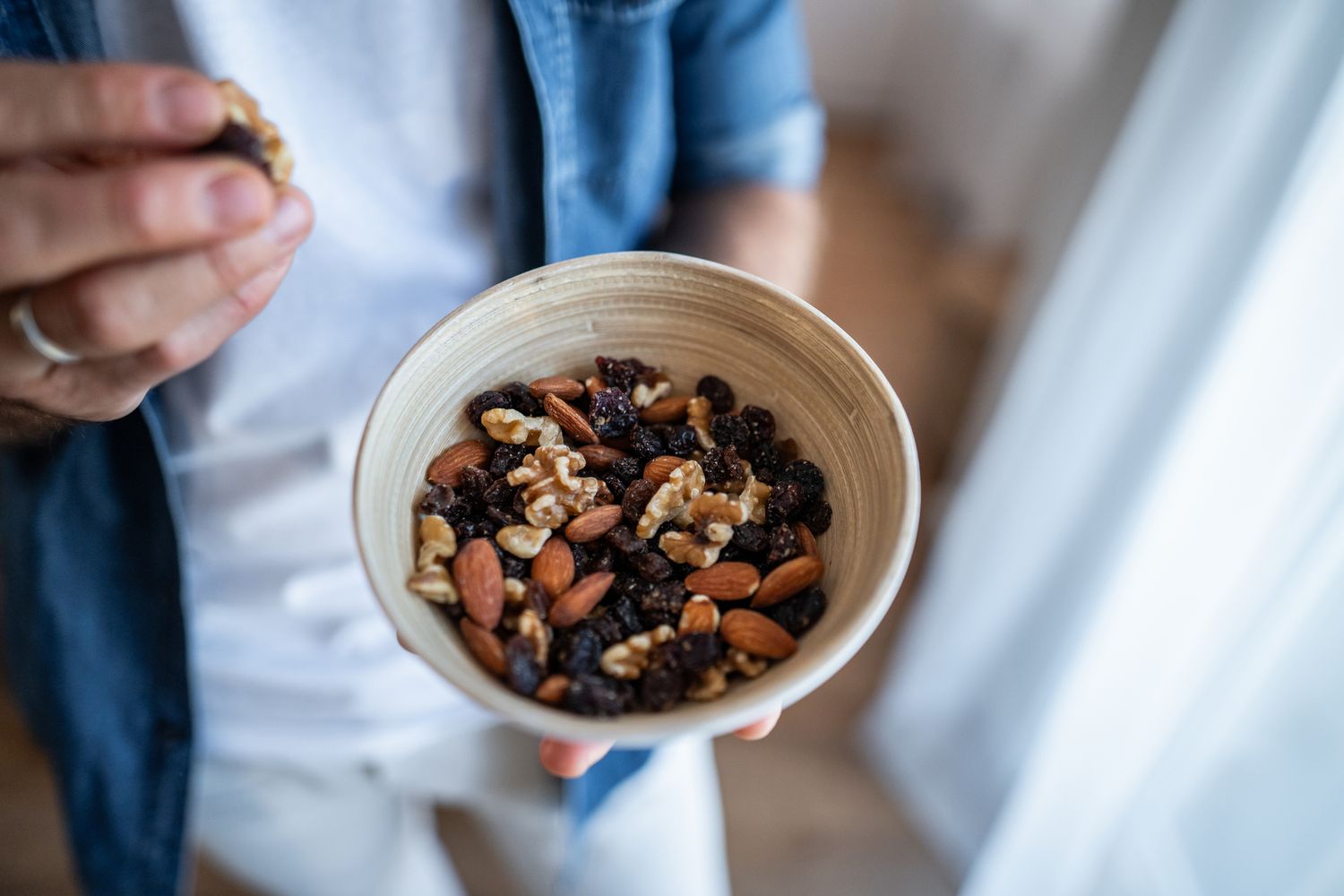
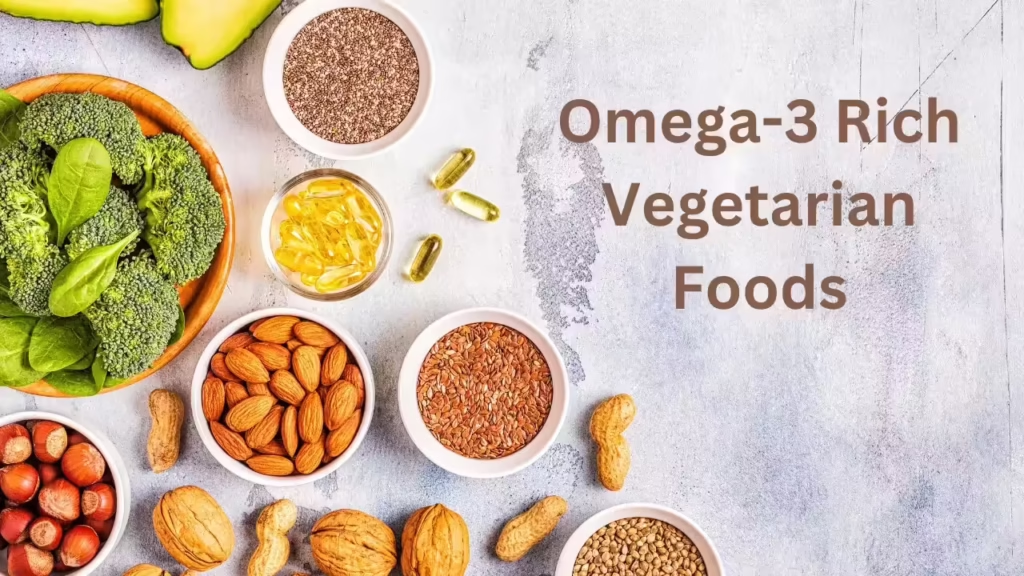
5 Vegetarian Foods: Omega-3 fatty acids are essential nutrients that play a key role in heart health, inflammation control, and overall well-being. There are three main types of omega-3s: EPA (eicosapentaenoic acid), DHA (docosahexaenoic acid), and ALA (alpha-linolenic acid). While EPA and DHA are mainly found in seafood, ALA is present in plant-based foods and also offers important heart benefits. For vegetarians and those reducing seafood intake, adding omega-3 rich vegetarian foods to the diet can help support cardiovascular health naturally.
Highlights of Vegetarian Omega-3 Sources
| Food | Type of Omega-3 | Main Benefit |
|---|---|---|
| Flaxseeds | ALA | Supports heart health |
| Chia Seeds | ALA | Reduces inflammation |
| Walnuts | ALA | Improves cholesterol balance |
| Hemp Seeds | ALA | Supports healthy arteries |
| Soybeans | ALA | Promotes overall heart wellness |
Understanding Omega-3 and Heart Health
Omega-3 fatty acids help regulate inflammation, maintain healthy blood vessels, and support normal heart rhythm. According to research published in Antioxidants (Basel) by Saini RK and colleagues in 2021, plant-based sources of polyunsaturated fatty acids (PUFAs) are emerging as valuable contributors to health, especially for those following vegetarian diets.
Although EPA and DHA are more directly linked to heart protection, the body can partially convert ALA from plant foods into these active forms. Regular intake of ALA-rich foods may help reduce the risk of cardiovascular disease.
Also read: Piramal Finance and IIFL in Early Talks for Microfinance Deal: Due Diligence Underway
Flaxseeds for Daily Omega-3 Boost
Flaxseeds are one of the richest plant sources of ALA omega-3. Adding ground flaxseeds to smoothies, yogurt, or oatmeal can help improve cholesterol levels and support heart function. They are also high in fiber, which further benefits digestion and cardiovascular health.
Chia Seeds for Anti-Inflammatory Support
Chia seeds provide a significant amount of ALA along with antioxidants and fiber. When soaked in water or milk, they form a gel-like texture that supports digestion and helps reduce inflammation linked to heart disease.
Walnuts for Cholesterol Management
Walnuts are heart-friendly nuts packed with omega-3 fatty acids. Studies suggest that regular walnut consumption may help lower bad cholesterol levels and improve overall heart markers. A small handful daily can contribute to a balanced diet.
Hemp Seeds for Artery Health
Hemp seeds contain a healthy ratio of omega-3 and omega-6 fatty acids. This balance supports healthy arteries and reduces inflammation. Hemp seeds can be sprinkled over salads, cereals, or blended into smoothies.
Soybeans for Plant-Based Protein and Omega-3
Soybeans and soy products such as tofu and edamame provide ALA along with high-quality plant protein. Including soy in a vegetarian diet helps support heart health while offering essential nutrients like iron and magnesium.
Why Vegetarians Should Prioritize Omega-3
Since vegetarians may not consume fish-based EPA and DHA, focusing on ALA-rich plant foods is important. A well-planned vegetarian diet that includes these five foods can help maintain healthy cholesterol levels and reduce inflammation, both of which are critical for long-term heart health.
Conclusion
Incorporating omega-3 rich vegetarian foods into your daily meals is a simple and effective way to support heart health. Flaxseeds, chia seeds, walnuts, hemp seeds, and soybeans provide valuable ALA that contributes to cardiovascular wellness. Combined with a balanced diet and healthy lifestyle, these plant-based options can help maintain a strong and healthy heart naturally.
FAQs About 5 Vegetarian Foods
Q1: Can vegetarians get enough omega-3 without fish?
Yes, vegetarians can obtain omega-3 from ALA-rich plant foods like flaxseeds, chia seeds, and walnuts.
Q2: Is ALA as beneficial as EPA and DHA for heart health?
ALA also offers heart benefits, although EPA and DHA are more directly linked to cardiovascular protection.