
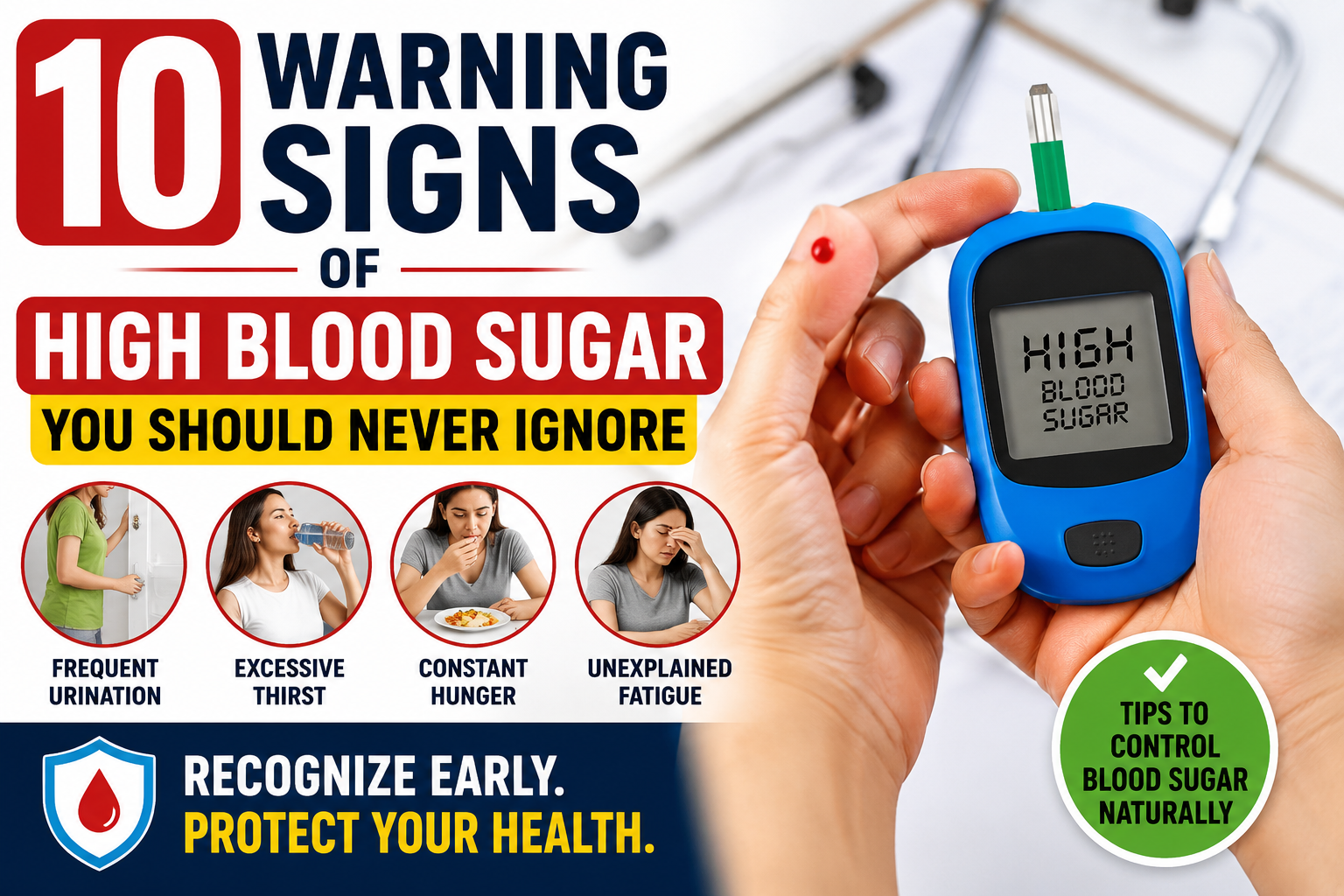
High blood sugar, also known as hyperglycemia, is a growing health concern worldwide. Many people develop elevated blood sugar levels without realizing it, especially during the early stages. If left untreated, high blood sugar can increase the risk of serious health complications, including diabetes, heart disease, kidney problems, and nerve damage.
The good news is that your body often gives warning signs before the condition becomes severe. Recognizing these symptoms early can help you take action and protect your long-term health.
In this article, we’ll explore 10 warning signs of high blood sugar that you should never ignore and discuss what you can do to maintain healthy blood sugar levels.
What Is High Blood Sugar?
Blood sugar, or glucose, is the body’s primary source of energy. When you eat carbohydrates, your body converts them into glucose, which enters the bloodstream. A hormone called insulin helps move glucose from the blood into the cells.
High blood sugar occurs when the body doesn’t produce enough insulin or cannot use insulin effectively. Over time, this can lead to prediabetes and Type 2 diabetes.
1. Frequent Urination
One of the earliest signs of high blood sugar is frequent urination, especially during the night.
When blood sugar levels become too high, the kidneys work harder to remove excess glucose from the body. This process causes increased urine production, making you visit the bathroom more often than usual.
If you suddenly notice frequent urination without increasing your fluid intake, it may be worth discussing with a healthcare professional.
2. Excessive Thirst
Frequent urination can lead to dehydration, which often causes excessive thirst.
People with elevated blood sugar levels may feel thirsty throughout the day, even after drinking plenty of water. This happens because the body is trying to replace fluids lost through increased urination.
Persistent thirst should never be ignored, especially when accompanied by other symptoms.
3. Constant Hunger
Feeling hungry shortly after eating can sometimes indicate high blood sugar.
Although glucose is present in the bloodstream, it may not be entering the body’s cells efficiently due to insulin resistance. As a result, the cells don’t receive the energy they need, causing ongoing feelings of hunger.
This symptom is particularly common among people developing insulin resistance.
4. Unexplained Fatigue
Do you often feel tired even after getting enough sleep?
High blood sugar can interfere with the body’s ability to use glucose effectively for energy. As a result, many people experience persistent fatigue, low energy levels, and difficulty concentrating.
Chronic tiredness that doesn’t improve with rest may be a sign that your blood sugar needs attention.
5. Blurred Vision
Changes in vision can occur when blood sugar levels remain elevated.
High glucose levels may affect the fluid balance within the eyes, causing temporary swelling of the eye’s lens. This can lead to blurred vision, difficulty focusing, or fluctuating eyesight.
Ignoring vision changes can be risky, as prolonged high blood sugar may eventually damage the eyes.
6. Slow-Healing Wounds
Cuts, bruises, and minor injuries that take longer than usual to heal may indicate elevated blood sugar levels.
High blood sugar can impair circulation and weaken the body’s natural healing process. It may also increase the risk of infection, making wound recovery slower.
Pay close attention if small injuries seem to linger for weeks.
7. Frequent Infections
People with high blood sugar often experience recurring infections.
Common examples include:
- Skin infections
- Gum infections
- Urinary tract infections
- Fungal infections
Excess glucose can create an environment where bacteria and fungi thrive, increasing the likelihood of repeated infections.
8. Tingling or Numbness in Hands and Feet
Persistent tingling, burning sensations, or numbness in the hands and feet can be an early sign of nerve damage caused by high blood sugar.
This condition, known as diabetic neuropathy, often develops gradually. Many people dismiss these symptoms initially, but early intervention can help reduce the risk of long-term nerve complications.
9. Dry Skin and Itchy Skin
High blood sugar can contribute to dehydration, which often affects the skin.
You may notice:
- Dry skin
- Persistent itching
- Skin irritation
- Increased sensitivity
While dry skin can have many causes, ongoing symptoms combined with other warning signs may indicate a blood sugar issue.
10. Unexplained Weight Loss
Unexpected weight loss without changes in diet or exercise should always be taken seriously.
When the body cannot use glucose properly, it may begin breaking down fat and muscle for energy. This can result in noticeable weight loss over time.
Although some people welcome weight loss, unexplained changes may signal an underlying health concern that requires medical evaluation.
Who Is Most at Risk?
Certain factors can increase the likelihood of developing high blood sugar, including:
- Family history of diabetes
- Being overweight or obese
- Lack of physical activity
- High blood pressure
- Poor dietary habits
- Chronic stress
- Increasing age
Understanding your risk factors can help you take preventive steps before serious health problems develop.
How to Help Maintain Healthy Blood Sugar Levels
While medical advice is essential for diagnosis and treatment, several healthy habits can support blood sugar management:
Eat a Balanced Diet
Focus on:
- Vegetables
- Whole grains
- Lean proteins
- Healthy fats
- High-fiber foods
Limit excessive consumption of sugary beverages, processed snacks, and refined carbohydrates.
Stay Physically Active
Regular exercise helps the body use insulin more efficiently and supports overall metabolic health.
Aim for at least 30 minutes of moderate physical activity most days of the week.
Maintain a Healthy Weight
Even modest weight loss can improve insulin sensitivity and reduce the risk of developing Type 2 diabetes.
Get Quality Sleep
Poor sleep may affect blood sugar regulation and increase insulin resistance. Most adults benefit from 7–9 hours of sleep per night.
Manage Stress
Chronic stress can contribute to higher blood sugar levels. Activities such as walking, meditation, deep breathing, and hobbies may help reduce stress.
When Should You See a Doctor?
If you experience multiple symptoms listed in this article, consider consulting a healthcare professional.
Early testing and diagnosis can help identify potential blood sugar problems before they progress into more serious conditions. Simple blood tests can provide valuable information about your glucose levels and overall health.
Final Thoughts
High blood sugar often develops gradually, making it easy to overlook the early warning signs. Frequent urination, excessive thirst, fatigue, blurred vision, slow-healing wounds, and unexplained weight loss are symptoms that deserve attention. Recognizing these signs early can help you take proactive steps toward better health. By adopting healthy lifestyle habits and seeking medical guidance when necessary, you can reduce the risk of complications and support long-term well-being.
Frequently Asked Questions
Can high blood sugar occur even if I don’t have diabetes?
Yes. Prediabetes, stress, certain medications, and other health conditions can cause temporary or persistent high blood sugar levels.
What is considered a normal blood sugar level?
Normal ranges vary depending on the test and individual circumstances. A healthcare professional can help interpret your results accurately.
Can exercise help lower blood sugar levels?
Regular physical activity can improve insulin sensitivity and help the body use glucose more effectively.
Are the symptoms of high blood sugar always obvious?
No. Many people experience mild or no symptoms during the early stages, which is why regular health checkups are important.
Can lifestyle changes prevent Type 2 diabetes?
Healthy eating, regular exercise, weight management, and routine medical monitoring can significantly reduce the risk of developing Type 2 diabetes.