
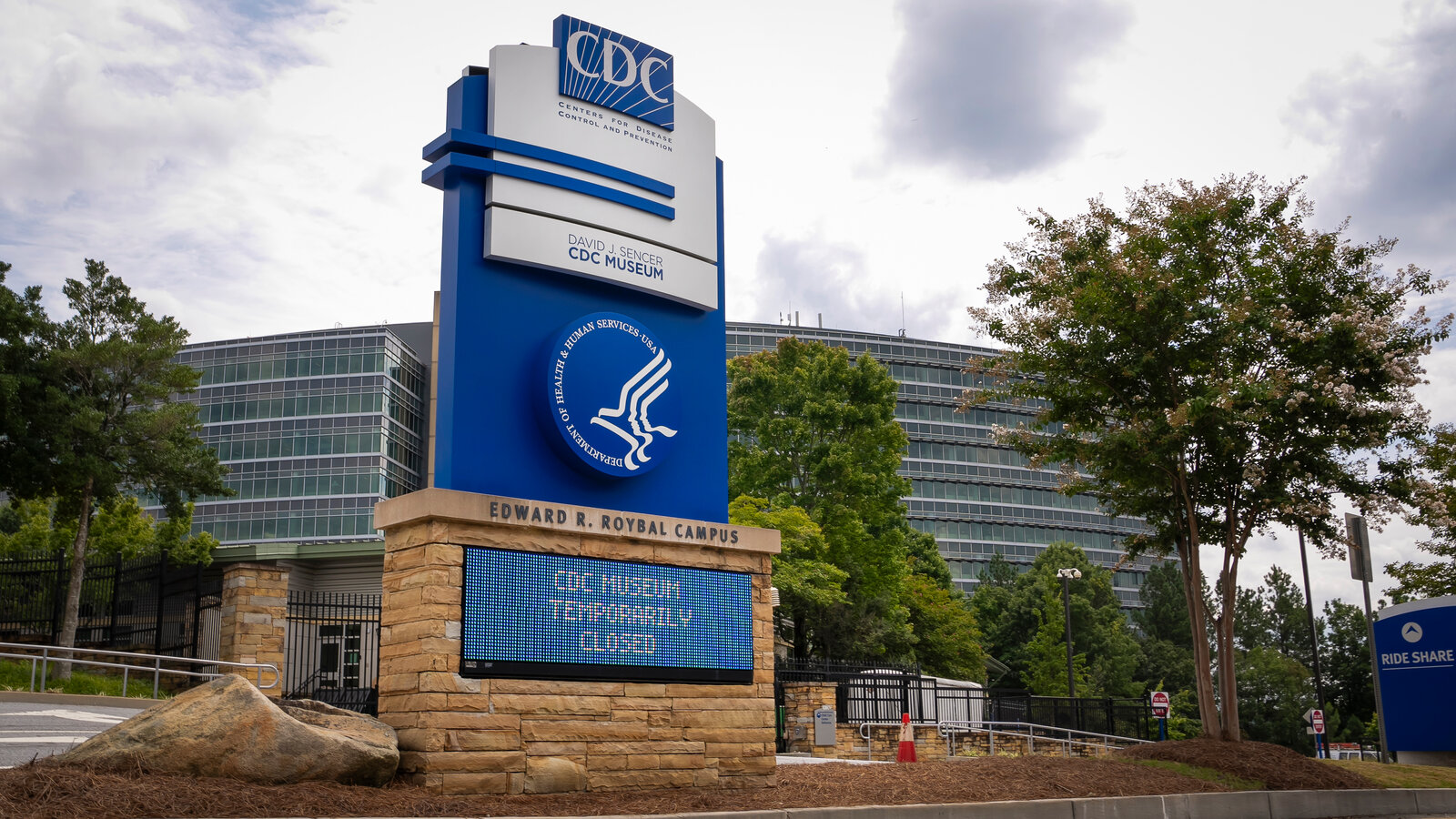
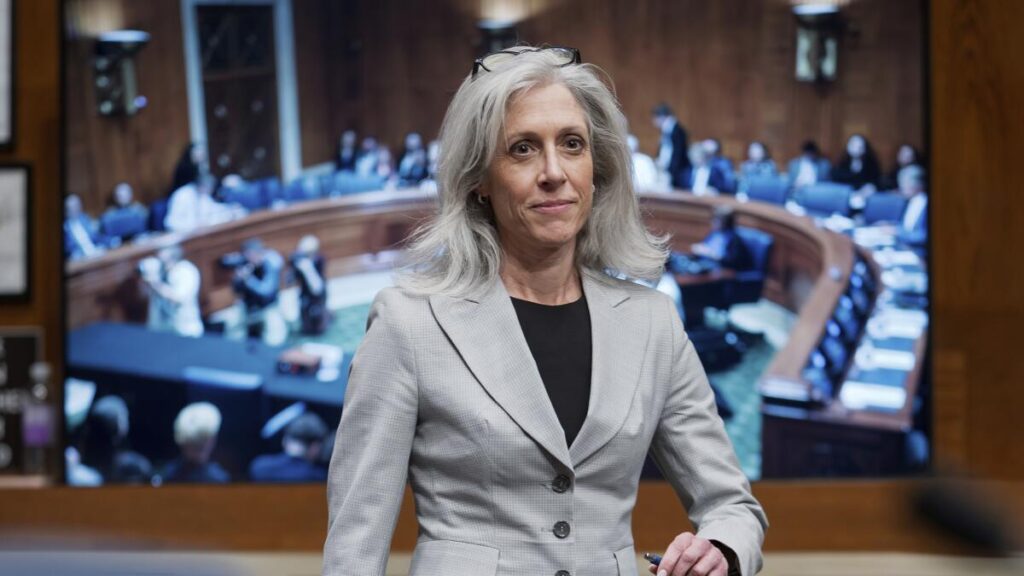
CDC Director: The US Centers for Disease Control and Prevention (CDC) has been thrown into unprecedented turmoil after its director, Dr. Susan Monarez, refused to leave her post despite the White House announcing her termination. The dramatic standoff underscores a widening rift between career public health leaders and the Trump administration’s political appointees.
Dr. Monarez, who has only been in the position for a month, insists her removal is unlawful and politically motivated. Her legal team argues that only the President can dismiss her, not White House officials. Her refusal to vacate the role reflects deep divisions over vaccine policy, pandemic preparedness, and the future of one of the world’s most respected health agencies.
Why Was Dr. Susan Monarez Fired?
The White House maintains that Monarez’s dismissal was based on her unwillingness to follow the administration’s health policies. According to an official statement, she was “not aligned with the president’s agenda,” particularly regarding vaccine distribution and public messaging.
Dr. Monarez, however, strongly disputes this reasoning. Through her attorneys, she stated that she was unwilling “to rubber-stamp unscientific, reckless directives” that she believed endangered public health. Her supporters argue that the move was politically motivated, part of a broader effort to silence scientific dissent.
Read about: Why Peacebuilding Must Include Mental Health and Psychosocial Support (MHPSS)
Reactions From Lawmakers and Experts
The firings and resignations have sparked political outrage. Senator Bernie Sanders called the dismissal of Dr. Monarez “reckless” and “dangerous,” demanding a congressional investigation.
Public health experts warn that the turmoil could weaken the CDC’s ability to address pressing health threats, from Covid-19 to bird flu and environmental hazards. Critics argue that the White House is prioritizing political loyalty over scientific integrity, risking public trust in the nation’s foremost health agency.
Also read: Volvo ES90: A Premium Electric Sedan with an Impressive 700km Range
What This Means for the Future of Public Health
The CDC, long considered a gold standard for global health guidance, now faces an uncertain future. The ongoing leadership crisis raises questions about the agency’s independence, credibility, and ability to function under political pressure.
If political agendas continue to dictate science-driven policies, experts warn that the consequences could include weaker responses to pandemics, lower vaccine uptake, and further erosion of public trust in health institutions.
FAQs
1. Why did the White House fire Dr. Susan Monarez?
The White House stated that Dr. Monarez was removed because she was “not aligned with the president’s agenda.” However, Monarez and her lawyers argue that her firing was politically motivated after she refused to endorse unscientific directives, particularly around vaccines.
2. Can the CDC director legally refuse to step down?
The legality of Dr. Monarez’s refusal is contested. Her lawyers argue that only the President has the authority to dismiss her, not White House officials. If challenged in court, this could set a precedent for the limits of executive influence over public health agencies.