
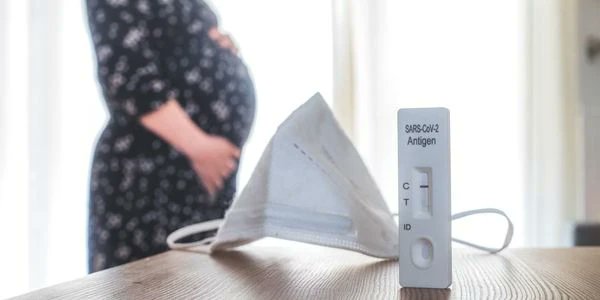
COVID in Pregnancy: As the world continues to understand the far-reaching effects of the COVID-19 pandemic, new research is shedding light on how the virus may impact the next generation — even before birth. A major U.S. study has found that children born to mothers who were infected with COVID-19 during pregnancy have a 29% higher risk of developing neurodevelopmental disorders such as autism, speech delays, and motor coordination problems by the age of three. Published in the prestigious journal Obstetrics & Gynecology, this study underscores how viral infections during pregnancy can influence early brain development.
The findings come from researchers at Mass General Brigham, a leading academic medical center in Boston that includes renowned institutions such as Massachusetts General Hospital and Brigham and Women’s Hospital. Their work adds to growing evidence that maternal infections — including COVID-19 — may have subtle yet lasting effects on a baby’s developing brain. The study, titled “Neurodevelopmental outcomes of 3-year-old children exposed to maternal SARS-CoV-2 infection in utero,” analyzed a large cohort of more than 18,000 mother-child pairs from the first year of the pandemic.
The results reveal a concerning trend: among children whose mothers tested positive for SARS-CoV-2 during pregnancy, 16.3% received a neurodevelopmental diagnosis by age three, compared to 9.7% among children of uninfected mothers. Even after accounting for other risk factors — such as maternal age, pre-existing medical conditions, and socioeconomic background — the data showed a 29% increased likelihood of developmental delays in children exposed to the virus in utero.
The Study at a Glance
Scope and Methodology
The study followed 18,124 pregnancies between March 2020 and May 2021. Out of these, 861 women had confirmed COVID-19 infections during pregnancy. Researchers tracked the developmental progress of these children until the age of three using clinical records, standardized developmental assessments, and diagnostic codes.
Key Findings
- Increased risk: Children exposed to COVID-19 in the womb were more likely to develop autism spectrum disorder (ASD), speech delays, and motor coordination difficulties.
- Higher risk in males: Male children were disproportionately affected compared to females.
- Critical timing: The third trimester of pregnancy — a vital period for fetal brain growth — showed the strongest association between maternal infection and developmental delays.
The Biological Explanation
Experts believe that the immune activation caused by infection — rather than direct viral transmission — plays a central role. When the maternal immune system reacts to infection, it releases inflammatory molecules called cytokines, which can disrupt the delicate balance of brain development in the fetus. Similar patterns have been observed in previous viral outbreaks involving influenza, rubella, and Zika virus, all of which have been linked to increased rates of neurodevelopmental disorders in children.
Read about: Asthma in Kids: Busting Common Myths and Fears
Expert Insights
What Researchers Say
Dr. Andrea Edlow, senior author of the study and a Maternal-Fetal Medicine specialist at Mass General Brigham, emphasized:
“COVID-19, like many other infections in pregnancy, may pose risks not only to the mother but also to fetal brain development.”
Dr. Roy Perlis, co-senior author and psychiatrist at Massachusetts General Hospital, added that while the findings show a statistically significant link, the absolute risk remains low.
“Although infection increases the odds of developmental disorders, most babies born to mothers who had COVID-19 during pregnancy will develop normally,” he said.
The Role of Inflammation
Animal studies have previously shown that maternal immune activation can alter neural connectivity and neurotransmitter balance in the developing brain. These subtle changes might not cause immediate problems but can manifest later as speech delays, coordination difficulties, or features of autism spectrum disorder.
Vaccination and Prevention: The Protective Factor
Since most women in the study were unvaccinated (the research covered early 2020–2021), the findings highlight the importance of preventing COVID-19 infection during pregnancy. Vaccination remains a key strategy to protect both mother and baby.
Dr. Edlow stressed that the results reinforce the need for vaccine confidence:
“These findings are especially relevant at a time when public trust in vaccines, including COVID-19 vaccines, is being eroded.”
Preventing infection through vaccination, masking in high-risk areas, and avoiding unnecessary exposure during pregnancy are practical measures that can significantly reduce risk.
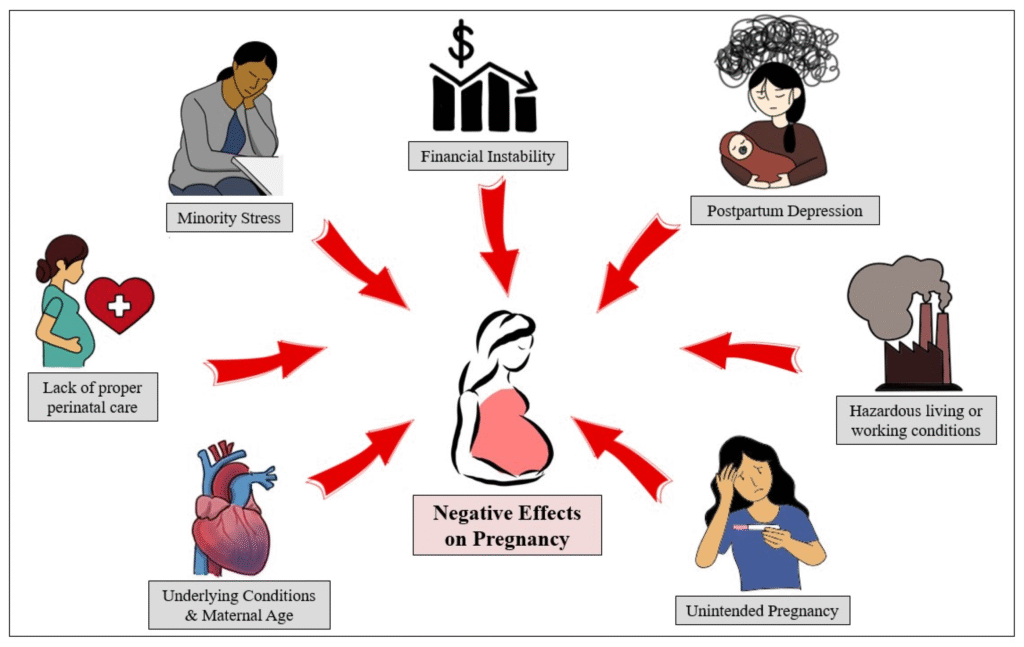
Implications for Parents and Pediatric Care
Monitoring Early Development
While the overall risk is low, pediatric experts recommend that parents of children born to COVID-positive mothers remain observant of early developmental milestones. Early screening for speech, language, and motor skills can help detect and address potential delays before they become significant.
Early Intervention Works
Even if a child shows mild developmental delays, early intervention programs — including speech therapy, occupational therapy, and behavioral support — can greatly improve long-term outcomes. Healthcare providers should reassure parents that a diagnosis does not define a child’s potential but rather provides a roadmap for tailored support.
Conclusion
The Mass General Brigham study provides valuable insights into how COVID-19 may influence early brain development, emphasizing the need for continued vigilance during pregnancy. While the data indicate a 29% increased risk of neurodevelopmental disorders among children exposed to maternal COVID-19 infection, experts emphasize that the absolute risk remains relatively low.
Importantly, this research aligns with decades of evidence showing that infections during pregnancy can impact fetal development — highlighting the necessity of preventive healthcare, vaccination, and early screening. Parents should be encouraged to engage with pediatric specialists and developmental experts to ensure timely evaluation of their child’s progress.
The findings also carry public health significance, reinforcing the need for vaccine confidence and infection control measures during pregnancy. Protecting expectant mothers from infection is not only vital for their health but also for the neurological and developmental well-being of their children.
Ultimately, while COVID-19 infection during pregnancy may pose certain risks, the message from experts is one of reassurance and empowerment: with awareness, prevention, and proactive care, the vast majority of children will thrive and develop normally. The focus should now shift to education, maternal care, and early intervention — key pillars that safeguard the next generation’s health and potential.
FAQ: COVID-19 in Pregnancy and Child Development
Q1: How does COVID-19 infection during pregnancy affect a baby’s brain development?
A: COVID-19 may indirectly affect fetal brain development through maternal immune activation. When a mother’s immune system reacts to infection, inflammatory molecules can alter the developing brain’s environment. This can potentially contribute to mild neurodevelopmental risks such as speech delays or coordination challenges.
Q2: Are all babies born to COVID-positive mothers at high risk for developmental problems?
A: No. While the study found a 29% increase in relative risk, the absolute risk remains low. Most babies born to mothers who had COVID-19 during pregnancy develop normally. However, pediatricians recommend early developmental screening to identify and address any concerns promptly.
Q3: Does timing of infection during pregnancy matter?
A: Yes. The risk appears highest when infection occurs during the third trimester, a critical phase for fetal brain development. Infections in earlier trimesters were associated with a lower but still measurable risk of developmental impact.
Q4: Can COVID-19 vaccination protect against these risks?
A: Yes. Vaccination during pregnancy is safe and has been shown to reduce the likelihood of severe maternal infection. By preventing infection, vaccination indirectly protects fetal brain development and lowers the potential for adverse outcomes.
Q5: What should parents do if their child was exposed to COVID-19 in utero?
A: Parents should ensure regular developmental checkups, track milestones, and consult pediatricians if they notice delays in speech, social interaction, or motor coordination. Early intervention therapies — speech, occupational, or behavioral — can significantly improve outcomes and support healthy development.