

Eating Healthy Doesnt Have to Cost a Fortune: For many people, the idea of eating healthy immediately brings up images of expensive organic produce, imported superfoods, and specialty diet products that strain the monthly budget. This perception has led to a widespread belief that nutritious food is a luxury reserved for higher-income households. However, nutrition experts say this assumption is largely misleading. With the right choices and a bit of planning, healthy eating can be both affordable and sustainable even on a tight budget.
Why Healthy Food Is Often Seen as “Expensive”
One of the biggest reasons healthy eating is viewed as costly is the dominance of cheap, ultra-processed foods in the market. Packaged snacks, instant meals, sugary drinks, and refined carbohydrates are widely available at low prices, thanks to large-scale production and policies that favor processed food supply chains. Over time, this has widened the gap between convenience foods and whole foods in the public mindset.
Affordable Nutrition Starts With Basics
Experts consistently emphasize that healthy eating does not require exotic ingredients. Staples commonly found in Indian kitchens are among the most nutritious foods available. According to nutrition specialists, traditional home-cooked meals built around these staples are often healthier and cheaper than ready-to-eat packaged alternatives. Simple dishes like dal-chawal, vegetable khichdi, curd rice, or roti with sabzi offer balanced nutrition without inflating food expenses.
Also read: Fitness Trainer Reveals How He Modified His Tamil Diet for Weight Loss
Seasonal and Local Foods Make a Big Difference
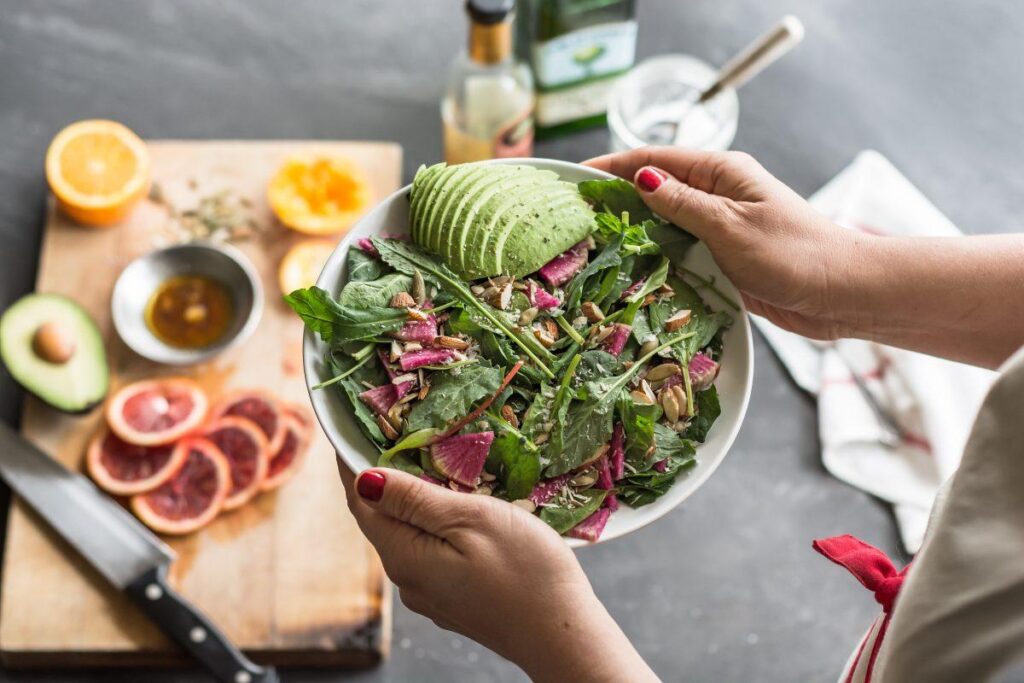
One of the smartest ways to eat healthy on a budget is to choose seasonal and locally grown produce. Fruits and vegetables that are in season are usually more abundant, fresher, and significantly cheaper than off-season imports.
Protein on a Budget Is Possible
Protein is often seen as the most expensive part of a healthy diet, but this doesn’t have to be true. While meat and protein supplements can be costly, there are many affordable protein sources. Experts also recommend combining cereals and pulses, a practice common in Indian diets, to improve protein quality without increasing costs.
Cooking at Home Saves Money and Improves Health
One of the biggest contributors to rising food expenses is frequent consumption of restaurant food and packaged meals. Cooking at home not only allows better control over ingredients but also reduces spending over time. Nutrition experts highlight that home cooking encourages mindful eating and portion control. Simple preparation methods like steaming, boiling, sautéing with minimal oil, and pressure cooking help retain nutrients while keeping meals light and affordable.
Read about: Chopped Broccoli & Chickpea Salad
FAQ’s
1. Is eating healthy really more expensive than eating processed food?
Not necessarily. While some specialty health products are costly, basic whole foods like rice, lentils, seasonal vegetables, eggs, and curd are often more affordable and nutritious than packaged snacks and ready-to-eat meals.
2. What are some affordable sources of protein?
Budget-friendly protein options include lentils (dal), chickpeas, beans, eggs, peanuts, curd, and soy products. Combining cereals and pulses (like rice and dal) also improves protein quality without raising costs.
3. How can I reduce my food bill while eating healthy?
Buy seasonal and local produce, cook at home more often, plan meals in advance, and limit packaged or restaurant foods. Buying staples in bulk can also help lower expenses.
4. Does cooking at home really make a difference?
Yes. Home-cooked meals give you control over ingredients, reduce unhealthy fats and excess salt or sugar, and are usually much cheaper than eating out regularly.