










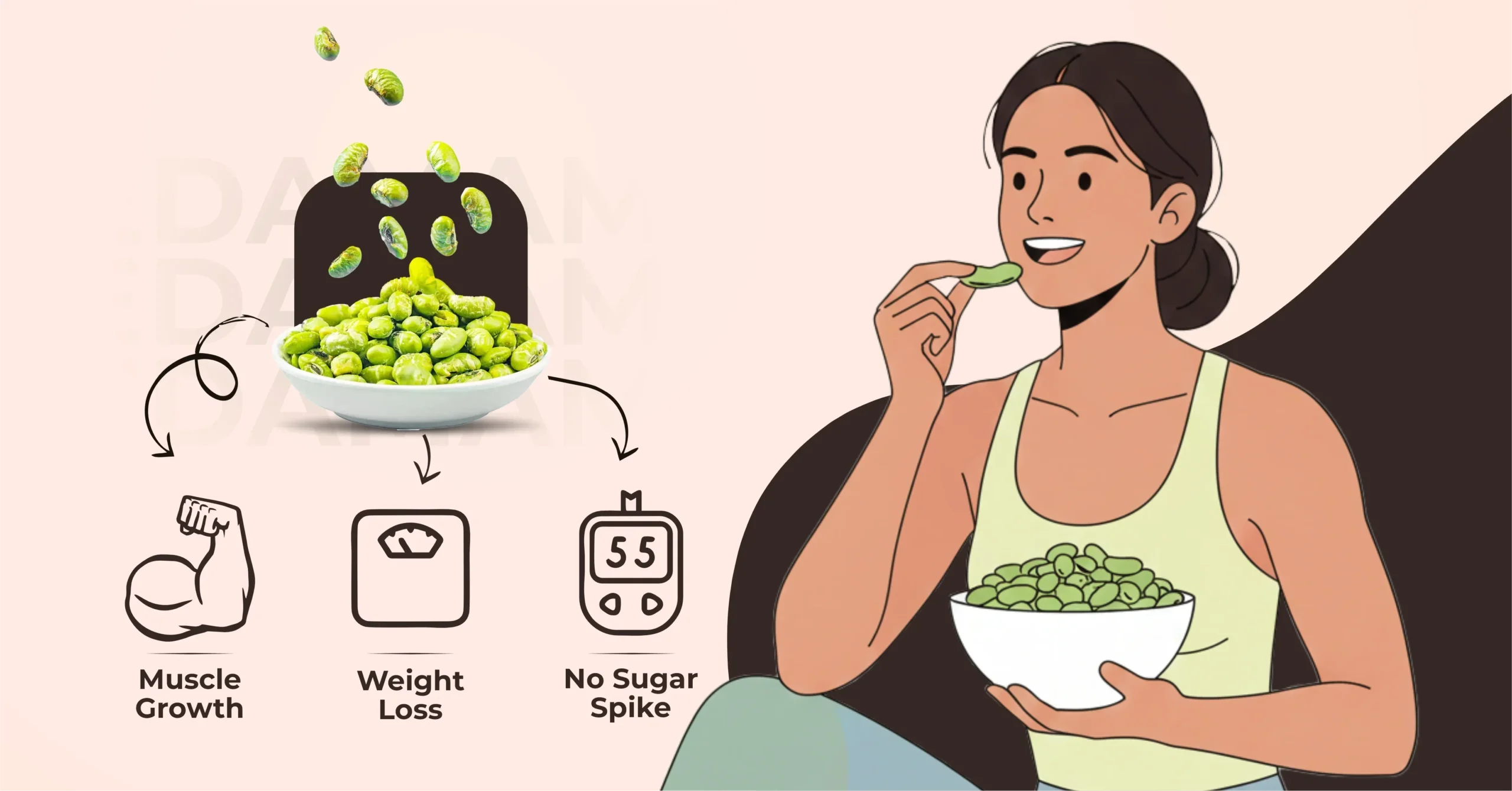
Edamame Health Benefits: Edamame, the young green soybeans often served as a snack or side dish, are becoming increasingly popular among health-conscious individuals. Packed with essential nutrients, these bright green beans are known for supporting overall wellness, including better digestion, stronger muscles, and improved heart health. Nutritionists recommend including edamame in a balanced diet because they provide plant-based protein along with important vitamins and minerals.
However, many people are unaware that properly rinsing edamame before consuming them is important to remove excess salt, dirt, or residue. According to nutrition experts, rinsing them the right way helps maintain their nutritional value while ensuring they are clean and safe to eat. Understanding the benefits of edamame and the correct preparation method can help you make the most of this nutritious food.
Edamame Nutrition Overview
| Nutrient | Approximate Value (per 100g) |
|---|---|
| Calories | 120 kcal |
| Protein | 11 g |
| Fiber | 5 g |
| Iron | 2.3 mg |
| Calcium | 60 mg |
| Vitamin C | 6 mg |
Rich Source of Plant-Based Protein
One of the biggest health benefits of edamame is their high plant-based protein content. Protein is essential for building and repairing body tissues, supporting muscle health, and maintaining energy levels throughout the day.
For people following vegetarian or plant-based diets, edamame serve as an excellent alternative to animal protein sources. Regular consumption of protein-rich foods like edamame may help improve muscle strength, support metabolism, and keep you feeling full for longer periods.
Also read: Healthy Diet May Reduce Premature Aging Risk in Childhood Cancer Survivors: New Study Finds
Supports Digestive Health
Edamame are also rich in dietary fiber, which plays an important role in maintaining healthy digestion. Fiber helps regulate bowel movements and supports the growth of beneficial bacteria in the gut.
A healthy gut contributes to better nutrient absorption and improved immunity. Including fiber-rich foods such as edamame in your diet can help prevent digestive issues like constipation and promote overall gut health.
Good for Heart Health
Another important benefit of edamame is their ability to support heart health. These soybeans contain compounds such as isoflavones and healthy fats that may help reduce levels of bad cholesterol in the body.
Lower cholesterol levels can reduce the risk of cardiovascular problems over time. In addition, edamame provide minerals such as potassium and magnesium, which support healthy blood pressure and proper heart function.
Right Way to Rinse Edamame
Nutritionists suggest rinsing edamame properly before consuming them, especially if they are frozen or pre-packaged. Start by placing the edamame in a strainer or colander and running cool, clean water over them for several seconds.
Gently rubbing the pods while rinsing can help remove any surface residue or excess salt. After rinsing, allow the beans to drain well before cooking or serving them. This simple step helps ensure that the edamame remain clean, fresh, and ready for healthy consumption.
Read about: More Women in India Are Buying Health Insurance at Younger Age
Conclusion
Edamame are a nutrient-dense food that provide protein, fiber, and essential minerals beneficial for overall health. From supporting digestion to improving heart health and providing plant-based protein, these green soybeans offer several advantages when included in a balanced diet. By following the correct method of rinsing edamame before eating, you can ensure they remain hygienic and retain their nutritional value, making them a healthy addition to your daily meals.
FAQs About Edamame Health Benefits
Are edamame good for weight management?
Yes, edamame are high in protein and fiber, which help keep you full longer and may support healthy weight management.
Do edamame need to be rinsed before cooking?
Yes, it is recommended to rinse edamame under clean running water to remove excess salt, dirt, or packaging residue before cooking or eating.