






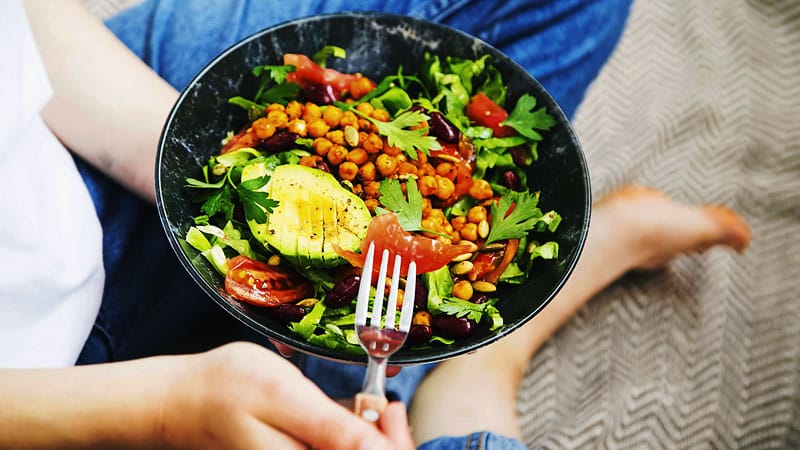
Healthy Diet : A healthy and balanced diet may play an important role in reducing the risk of premature aging among adult survivors of childhood cancer, according to findings from the St. Jude Lifetime Cohort Study. Researchers discovered that better adherence to recognized healthy dietary patterns was linked with a significantly lower risk of early aging-related health problems. The study highlights how nutrition can influence long-term health outcomes for people who survived cancer during childhood.
The research suggests that improving diet quality through personalized dietary interventions and stronger adherence to nutritional guidelines may help protect this vulnerable population from accelerated biological aging and chronic health complications later in life.
Highlights of the Study
| Key Point | Details |
|---|---|
| Study Source | St. Jude Lifetime Cohort Study |
| Main Finding | Healthy diet linked to lower risk of premature aging |
| Healthy Eating Index Impact | 10-point increase reduced high-risk aging odds by 20% |
| Mediterranean Diet Impact | 1-point increase reduced risk by 9% |
| Target Group | Adult survivors of childhood cancer |
| Recommendation | Improve diet quality through personalized nutrition plans |
Understanding Premature Aging in Childhood Cancer Survivors
Many childhood cancer survivors experience health issues earlier than the general population, a condition often described as premature or accelerated aging. Treatments such as chemotherapy and radiation can affect organs and biological systems, increasing the risk of conditions like heart disease, metabolic disorders, and reduced physical function at a younger age.
Because of these risks, researchers are increasingly focusing on lifestyle factors such as diet, physical activity, and long-term healthcare monitoring to help survivors maintain better health. Nutrition is emerging as a particularly powerful tool for improving overall well-being and reducing age-related complications.
How Diet Quality Influences Aging Risk
The study evaluated participants using two widely recognized dietary scoring systems: the Healthy Eating Index-2015 (HEI-2015) and the Alternate Mediterranean Diet Score. These tools measure how closely an individual’s eating habits match recommended dietary guidelines.
Researchers found that every 10-point increase in the Healthy Eating Index score was linked with a 20 percent decrease in the odds of being classified in the high-risk premature aging group. Similarly, each 1-point increase in the Mediterranean diet score lowered the odds by about 9 percent.
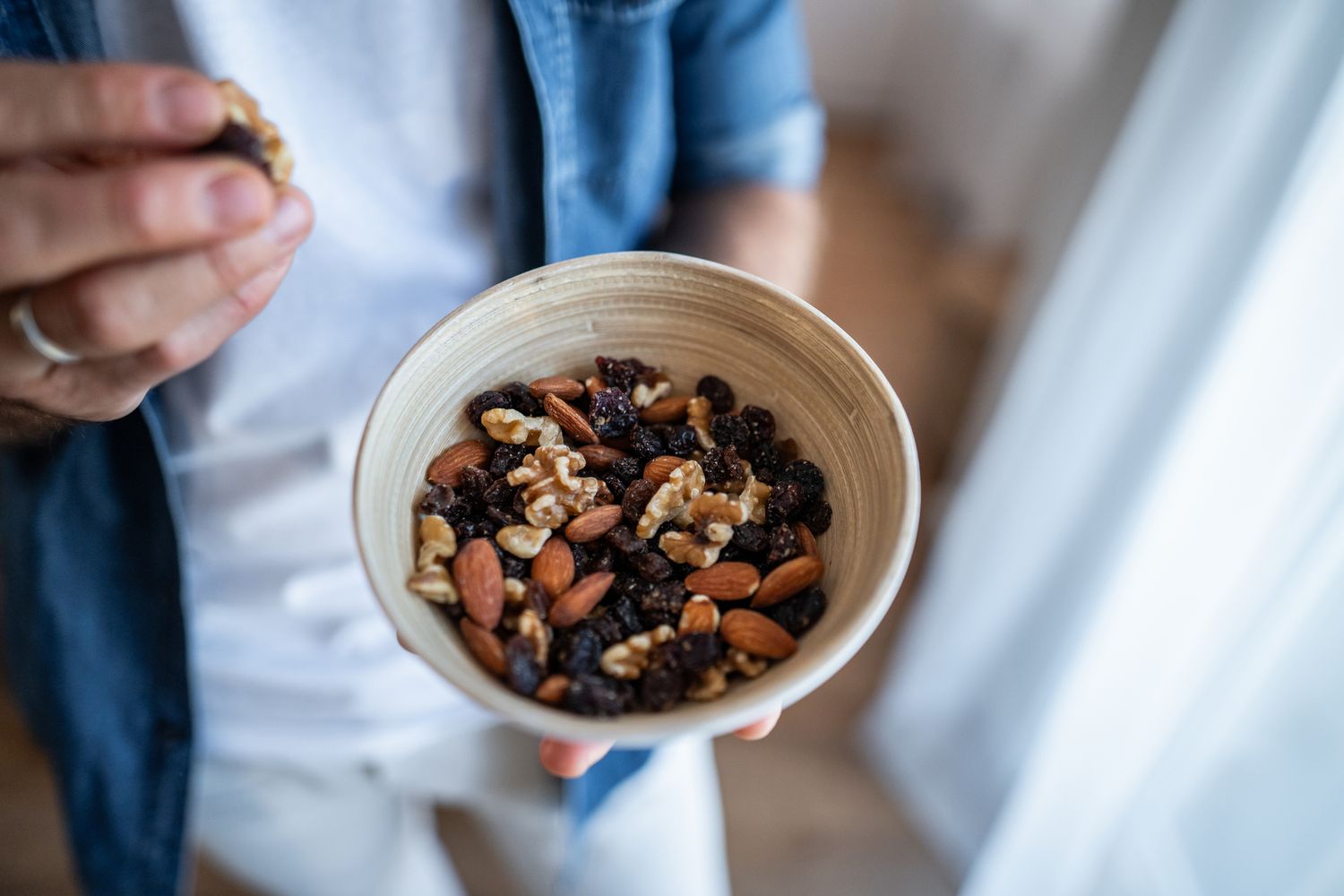
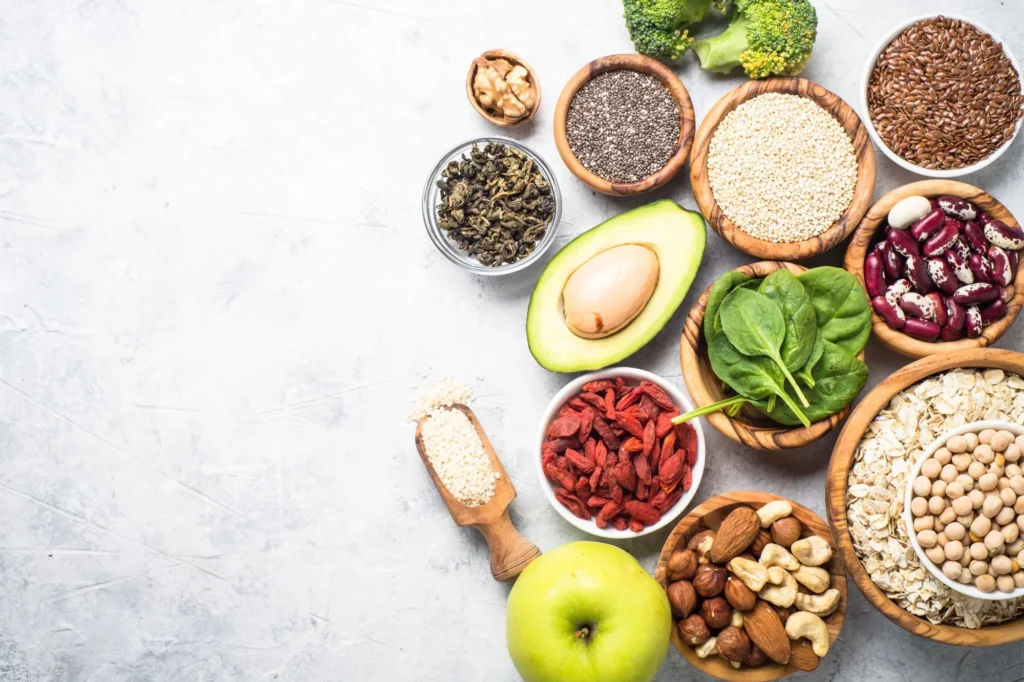
These results suggest that even small improvements in diet quality can lead to meaningful health benefits. Diets rich in vegetables, fruits, whole grains, lean proteins, healthy fats, and limited processed foods appear to support healthier aging in cancer survivors.
Read about: 5 Vegetarian Foods Loaded With Omega-3 to Support Heart Health Naturally
Why Personalized Nutrition Strategies Are Important
Despite the clear benefits of healthy eating, researchers noted that many childhood cancer survivors struggle to follow established dietary guidelines. Factors such as treatment history, lifestyle habits, and long-term health conditions can make it challenging to maintain optimal nutrition.
The study’s authors emphasize the need for personalized dietary interventions tailored to survivors’ specific health risks and nutritional needs. Programs that provide nutrition education, counseling, and long-term support could help improve adherence to healthy eating patterns and reduce future disease risk.
Improving diet quality could therefore become an essential component of survivorship care programs, helping patients not only live longer but also maintain a better quality of life.
FAQs About Healthy Diet
Q1. How does a healthy diet reduce premature aging risk in cancer survivors?
A healthy diet rich in fruits, vegetables, whole grains, and healthy fats helps support body systems, reduce inflammation, and lower the risk of chronic diseases linked to premature aging.
Q2. What diet pattern showed the most benefits in the study?
Both the Healthy Eating Index-2015 diet pattern and the Mediterranean-style diet were associated with a reduced risk of premature aging among childhood cancer survivors.