











How Exercise Boosts Brain Health and Memory: We all know that regular exercise is essential for physical fitness, weight management, and heart health. But what is often overlooked is its profound effect on the brain. Physical activity doesn’t just strengthen muscles, it strengthens neurons, improves memory, and enhances cognitive function. Studies increasingly show that even short bouts of exercise can boost focus, learning, and long-term brain resilience. According to Dr. Kunal Sood, just twenty minutes of moderate exercise after studying can significantly improve memory retention the next day. This simple act stimulates blood flow to the hippocampus, the brain’s center for learning and memory, and elevates the levels of a crucial protein that supports neuronal health.
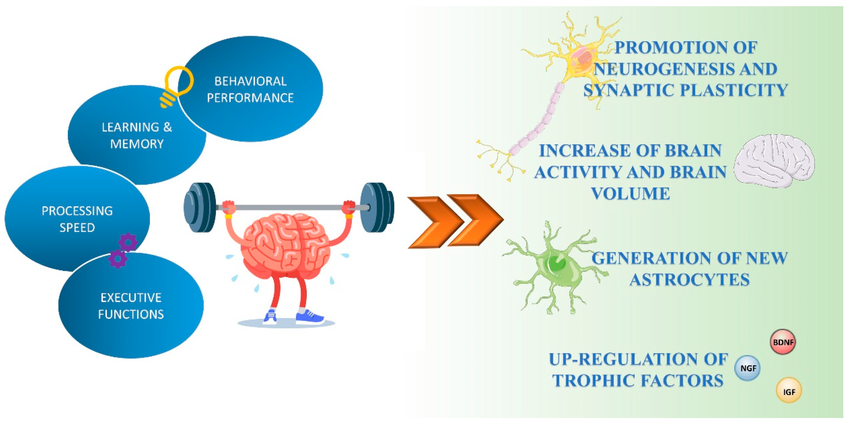
Research published in Frontiers in Neurology highlights the key role of brain-derived neurotrophic factor (BDNF) in linking exercise to brain function. BDNF is essential for neuron growth, repair, and the formation of new neural connections, a process called neuroplasticity. Individuals who exercise regularly show higher BDNF levels, especially in areas critical for memory and learning. Conversely, lower BDNF levels are associated with an increased risk of neurodegenerative diseases such as Alzheimer’s and Parkinson’s. This demonstrates that maintaining an active lifestyle is not only beneficial for body health but is also a vital strategy for long-term cognitive protection.
The connection between exercise and brain health is further strengthened by the observation that physical activity supports mental performance, mood, and resilience against stress. Aerobic exercises such as walking, jogging, cycling, and swimming promote BDNF release into the bloodstream, nourishing brain cells and enhancing their ability to communicate. Over time, this strengthens the brain’s adaptability, improves learning capacity, and lowers the risk of cognitive decline. Simply put, movement keeps the brain as flexible and active as the muscles it supports.
The Role of BDNF in Brain Function and Memory
What is BDNF?
Brain-derived neurotrophic factor (BDNF) is a protein that acts as a protective and growth-promoting agent for neurons. It helps maintain existing neural networks, encourages the formation of new synapses, and facilitates the repair of damaged brain cells.
BDNF and Neuroplasticity
Neuroplasticity is the brain’s ability to adapt, learn, and form new connections. High levels of BDNF are directly associated with enhanced neuroplasticity, leading to better memory, learning, and problem-solving skills. Exercise-induced BDNF release strengthens the hippocampus, which is critical for encoding new memories and spatial navigation.
BDNF Deficiency and Brain Diseases
Reduced BDNF levels have been linked to several neurodegenerative and psychiatric conditions, including:
- Alzheimer’s disease
- Parkinson’s disease
- Multiple sclerosis
- Depression and anxiety
Lower BDNF levels accelerate neuronal loss, impair communication between brain cells, and contribute to faster cognitive decline. Regular exercise, by boosting BDNF, acts as a protective buffer against these conditions.
Read about: Seat Arona 2025 Review: Can This Compact Crossover Still Compete?
How Exercise Protects the Brain
1. Improved Blood Flow and Oxygen Delivery
Exercise increases cerebral blood flow, delivering oxygen and essential nutrients to neurons. This improved circulation helps repair damaged blood vessels, remove toxins, and support the growth of new neuronal networks.
2. Reduced Brain Inflammation
Physical activity has anti-inflammatory effects, reducing neuroinflammation that can contribute to cognitive decline. BDNF plays a key role in mediating these effects, helping neurons survive and function optimally.
3. Stress Reduction and Emotional Resilience
Stress and early-life trauma can lower BDNF levels, negatively affecting memory and mood. Studies show that regular exercise restores BDNF production, improves emotional well-being, and enhances the brain’s resilience to stress.
4. Exercise and Brain Volume
Even moderate exercise can increase hippocampal volume. One study found that adults who walked on a treadmill for 40 minutes, three times a week, experienced a 2% increase in hippocampal size, counteracting age-related brain shrinkage.
Types of Exercise That Boost Brain Health
- Aerobic Exercise: Walking, running, cycling, and swimming effectively increase BDNF and improve memory.
- Resistance Training: Weightlifting and resistance exercises support neuronal connectivity and cognitive function.
- Combined Exercise: Programs integrating aerobic and strength exercises have shown enhanced benefits for memory, attention, and neuroplasticity.
- Short vs. Long Workouts: Even 20-minute sessions can initiate BDNF release, while long-term moderate or high-intensity exercise maintains BDNF levels over time.
Exercise as a Non-Medical Brain Therapy
As life expectancy increases, so does the prevalence of cognitive decline and neurodegenerative diseases. While medications can help, they often have side effects and limited effectiveness. Exercise, however, offers a natural, low-cost, non-pharmacological therapy.
Regular physical activity not only prevents cognitive decline but also helps recover brain function after stress or injury. By promoting BDNF, improving blood flow, reducing inflammation, and enhancing neuroplasticity, exercise supports overall brain resilience. Genetics, such as the BDNF Val66Met polymorphism, may influence individual response, but the overarching benefits apply broadly.
Even simple daily movement a brisk walk, a short jog, or cycling can stimulate brain activity, enhance memory, and improve learning capacity. Dr. Kunal Sood’s advice is clear: 20 minutes of exercise a day is sufficient to support brain health, boost memory, and protect against cognitive decline.
Conclusion
The science is undeniable: exercise is one of the most effective ways to protect and strengthen the brain. By increasing BDNF, improving neuroplasticity, and enhancing blood flow, physical activity helps maintain memory, focus, and cognitive resilience.
Exercise acts as a natural defense against neurodegenerative diseases such as Alzheimer’s and Parkinson’s, slowing down neuronal loss and supporting brain function. Its benefits extend beyond physical health to emotional well-being, stress reduction, and improved learning capacity.
Also read: How Cold, Dry Air Lowers Immunity and Fuels Winter Ailments (and How to Prevent Them)
FAQs About Exercise and Brain Health
1. How does exercise improve memory?
Exercise increases blood flow to the hippocampus, promotes BDNF release, and supports neuroplasticity. This allows neurons to form stronger connections, improving learning, memory retention, and recall abilities.
2. What is BDNF, and why is it important?
Brain-derived neurotrophic factor (BDNF) is a protein that helps neurons grow, repair, and communicate. Higher BDNF levels improve memory, learning, and mental flexibility, while lower levels are linked to cognitive decline and neurodegenerative diseases.
3. How long and how often should I exercise to boost brain health?
Even 20 minutes of moderate exercise daily can elevate BDNF and enhance brain function. Longer sessions or higher-intensity workouts provide sustained benefits, especially when done consistently several times a week.
4. Can resistance training help the brain, or is it only aerobic exercise?
Resistance training, like weightlifting or bodyweight exercises, also improves cognitive function. It complements aerobic exercise by supporting neuron connectivity, enhancing memory, and reducing age-related cognitive decline.
5. Does exercise protect against Alzheimer’s and other brain diseases?
Yes. Regular physical activity increases BDNF, reduces brain inflammation, and promotes neuroplasticity. These effects lower the risk of Alzheimer’s, Parkinson’s, and cognitive decline while improving recovery from stress and maintaining overall brain resilience.