






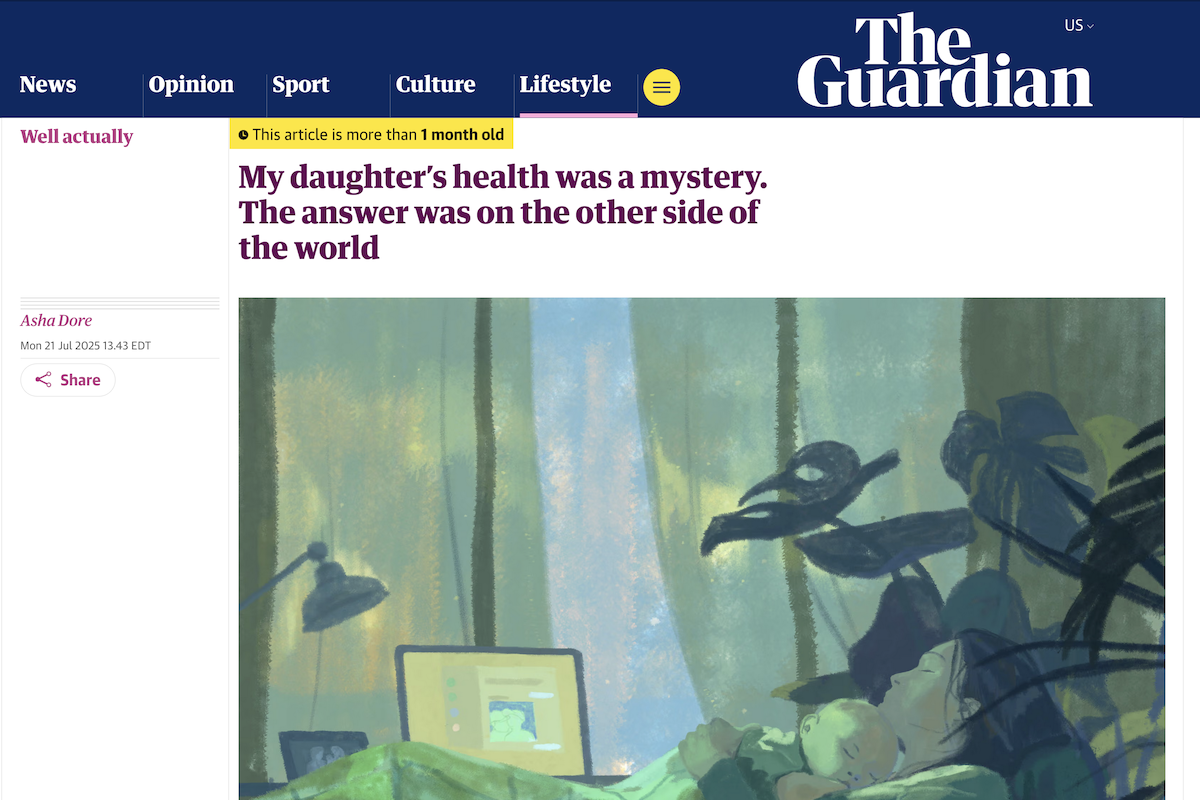
How I Pitched It: Breaking into major publications as a freelancer is harder than ever. With newsroom budgets shrinking, entire editorial teams dissolving, and freelance pitches often left unanswered, many writers are left wondering: what does a successful pitch actually look like? For many, the process feels like sending ideas into a void with little feedback, making every “yes” all the more valuable.
Amid this competitive landscape, one freelancer managed to land a deeply personal and timely feature in The Guardian, proving that with persistence, clarity, and the right framing, a pitch can stand out. The story not only highlights how to craft an effective pitch but also sheds light on the behind-the-scenes process that turns lived experience into publishable journalism.
The freelancer in question had long wanted to write about her experience with her daughter and what it revealed about medical crowdsourcing and rare disease research. Yet it wasn’t until broader cuts to medical research funding in the U.S. that the idea gained urgency and relevance. By connecting personal experience to a larger issue, she shaped a pitch that resonated with editors at The Guardian — a publication known for impactful health and wellness reporting.
Where the Idea Came From
The seed of the article began with lived experience. The writer wanted to share her daughter’s story and the role that medical crowdsourcing played in understanding rare and orphan conditions. But she recognized that a personal essay alone might not be enough for a mainstream outlet. By tying her story to recent funding cuts in medical research, she framed her piece as both personal and newsworthy. This ability to connect the intimate with the political or systemic often separates a successful pitch from one that gets overlooked.
Why The Guardian Was the Right Fit
Not every publication fits every story. The freelancer explained that she admired The Guardian’s health and wellness coverage for its mix of reach, tone, and accessibility. A prior connection also played a role — she met the editor during a panel hosted by Susan Shapiro, which helped her understand what kind of stories and angles that editor was actively seeking.
This illustrates a crucial lesson: networking matters. Knowing an editor’s interests, whether through research or direct interaction, can help tailor a pitch that feels aligned with the publication’s mission and the editor’s vision.
Read about: How Do I Know if Probiotics Will Help or Hurt My Health?
How Long Did It Take to Develop the Pitch?
The pitch wasn’t created overnight. The writer carefully workshopped it with journalist colleagues, ensuring it struck the right balance between personal narrative and reported feature. She first pitched the story to The New York Times features desk, where an editor responded positively but noted that their section doesn’t allow journalists to write personal/reported essays.
Instead of mass-pitching multiple outlets, she took a more strategic approach: sending it exclusively to one publication at a time and following up after two weeks. This patient, focused method reflects professionalism and prevents editors from feeling like they’re one of many.
Why the Pitch Was Successful
The freelancer credits the success of her pitch to several key elements:
- A vivid opening image and narrative hook – capturing attention like the lead of a mini-article.
- Clear story arc – showing what the article would explore, from personal experience to systemic issues.
- Pre-reporting with experts – mentioning sources like geneticists she planned to quote demonstrated preparation and credibility.
- Relevance – tying the piece to broader societal concerns like cuts to research funding made it timely and important.
This combination of personal resonance, expert voices, and timely context gave the editor confidence that the story was both unique and impactful.
Lessons Learned During Reporting
Interestingly, the final reporting uncovered even more than the freelancer initially expected. For instance, one geneticist source explained that many common, life-threatening conditions are now treatable thanks to rare disease research. This insight broadened the article’s scope and impact, showing how underfunded fields of science can have far-reaching benefits beyond rare conditions.
The reporting phase highlighted just how interconnected genetics, rare disease studies, and mainstream health outcomes truly are. It also reinforced why funding cuts pose such a serious risk, not just to vulnerable populations but to the future of medical breakthroughs.
Advice for Freelance Journalists on Pitching
The freelancer compared the pitching process to auditioning as an actor — often met with silence, rejection, or uncertainty. She emphasizes that rejection is not personal; it’s often about fit, timing, or editorial constraints.
Key advice includes:
- Treat pitches like mini-articles with strong leads, clear structure, and a sense of why the story matters.
- Do pre-reporting so editors know you’ve already invested time and energy.
- Be patient and professional, following up respectfully without burning bridges.
- View rejection as redirection — each no can still lead to a connection with a new editor or future opportunity.
Also read: Skoda Felicia Fun Reimagined as Electric Off-Roader: A Nostalgic Cult Classic Meets the Future
Conclusion
Freelance journalism is more competitive than ever, but this story shows that clarity, persistence, and strategic pitching can pay off. By linking a deeply personal story with a timely, broader issue, the freelancer crafted a pitch that editors couldn’t ignore.
The Guardian feature didn’t just give voice to her experience — it also raised awareness about the critical role of rare disease research in everyday health outcomes. For freelancers, this serves as proof that strong storytelling combined with smart strategy can break through even in a crowded market.
Networking also played an important role. By understanding the editor’s interests and aligning the pitch accordingly, the freelancer maximized her chances of acceptance. This underlines the importance of researching publications and editors before submitting.
Most importantly, the success highlights that a great pitch is more than just an idea — it’s about execution, preparation, and presenting the story as an urgent, necessary addition to public conversation. In today’s freelance world, that combination can make all the difference.
FAQs on Freelance Pitching
1. What makes a freelance pitch stand out to editors?
A standout pitch is concise yet vivid, presenting the story like a mini-article. It should open with a strong hook, outline the narrative or reporting plan, and demonstrate relevance to current issues. Including potential sources and showing pre-reporting effort signals credibility.
2. How long should I wait before following up on a pitch?
Typically, freelancers wait about 1–2 weeks before following up. This shows persistence without pressuring editors. Always be polite and professional in your follow-up, reaffirming why the story matters without sounding impatient.
3. Should I pitch multiple publications at the same time?
While some freelancers do, many editors prefer exclusivity. Pitching one outlet at a time shows respect for the editor’s time and interest. If you don’t hear back after following up, you can move on to the next target publication.
4. How important is networking in freelance journalism?
Networking can significantly improve pitch success. Meeting editors through panels, workshops, or professional connections gives you insight into their preferences. Even if a pitch isn’t accepted, making that connection can help future ideas find a home.
5. What role does pre-reporting play in pitching?
Pre-reporting is critical. By reaching out to sources, gathering data, or understanding the context ahead of time, you can show editors that the story is viable. It also reassures them that you won’t waste time chasing a dead lead after assignment.