









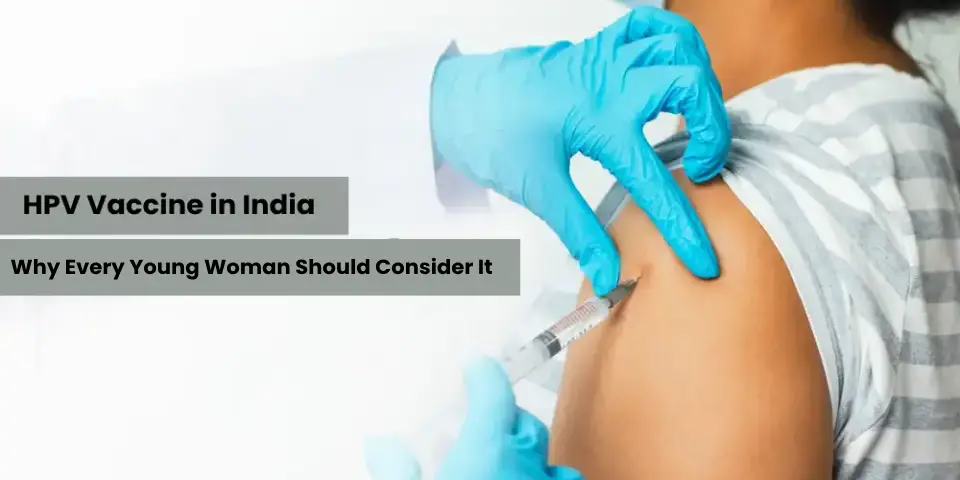
Ignoring the HPV Vaccine: Cervical cancer remains one of the leading causes of cancer-related deaths among women in India, despite being one of the most preventable cancers in modern medicine. Persistent infection with high-risk strains of the Human Papillomavirus (HPV) is the primary cause, and effective vaccines have been available for years.
Yet, misinformation and vaccine hesitancy among parents continue to prevent many young girls from receiving timely protection. According to Dr Rakesh Sharma, Senior Consultant, Medical Oncology, Gurugram, most concerns surrounding the HPV vaccine are rooted in myths rather than medical facts.
Why HPV Vaccination Is Critical in India
India accounts for a significant proportion of global cervical cancer cases. Unlike many other cancers, cervical cancer can be largely prevented through HPV vaccination and early awareness. The vaccine is most effective when administered before exposure to the virus, which is why it is recommended during early adolescence.
Thyroid Disorders in Young Girls: No Impact on HPV Vaccination
One common concern among parents is whether thyroid conditions—such as hypothyroidism or autoimmune thyroid disorders—affect vaccine safety or immunity.
Multiple global studies have confirmed that:
- Thyroid disorders do not interfere with the immune response to the HPV vaccine
- Girls taking thyroid medication do not need to stop or adjust treatment
- Vaccination remains safe and effective in these individuals
Also read: 2026 Suzuki Hayabusa
PCOS, Menstrual Irregularities, and Fertility: Separating Fact from Fear
Perhaps the most persistent myth is that the HPV vaccine affects fertility or causes early menopause. This claim has been extensively studied and disproven by global health authorities including the World Health Organization (WHO) and the Centers for Disease Control and Prevention (CDC).
HPV Vaccine Dosage: Fewer Doses Than Many Parents Think
Another misconception is that all children require three expensive doses of the vaccine. Current scientific evidence shows this is not true.
- Girls aged 9–14 years mount a strong immune response
- India’s indigenous HPV vaccine follows a two-dose schedule, given six months apart
- Global research increasingly supports the effectiveness of even single-dose schedules
Are Tests Required Before HPV Vaccination?
Parents often worry about medical tests before vaccination, but most are unnecessary.
- Pap smears are not required before vaccination
- Pap tests detect existing cervical changes
- HPV vaccines prevent future infections, not existing ones
- Pregnancy tests are not mandatory
- Vaccination is simply postponed during pregnancy as a precaution
Why Awareness Matters Now
Delaying or skipping HPV vaccination means missing a critical window of prevention. Cervical cancer often develops silently and is diagnosed at advanced stages, where treatment becomes complex, costly, and emotionally taxing. Vaccination during adolescence offers long-lasting protection, reducing the risk of cervical cancer later in life and easing the future healthcare burden for families.
FAQs
1. At what age should girls receive the HPV vaccine?
The ideal age is between 9 and 14 years, before exposure to HPV.
2. Is the HPV vaccine safe for girls with thyroid problems or PCOS?
Yes. These conditions do not affect vaccine safety or effectiveness.
Read about: The Mental Health Burden of Atopic Dermatitis: Why the Skin-Brain Connection Matters