







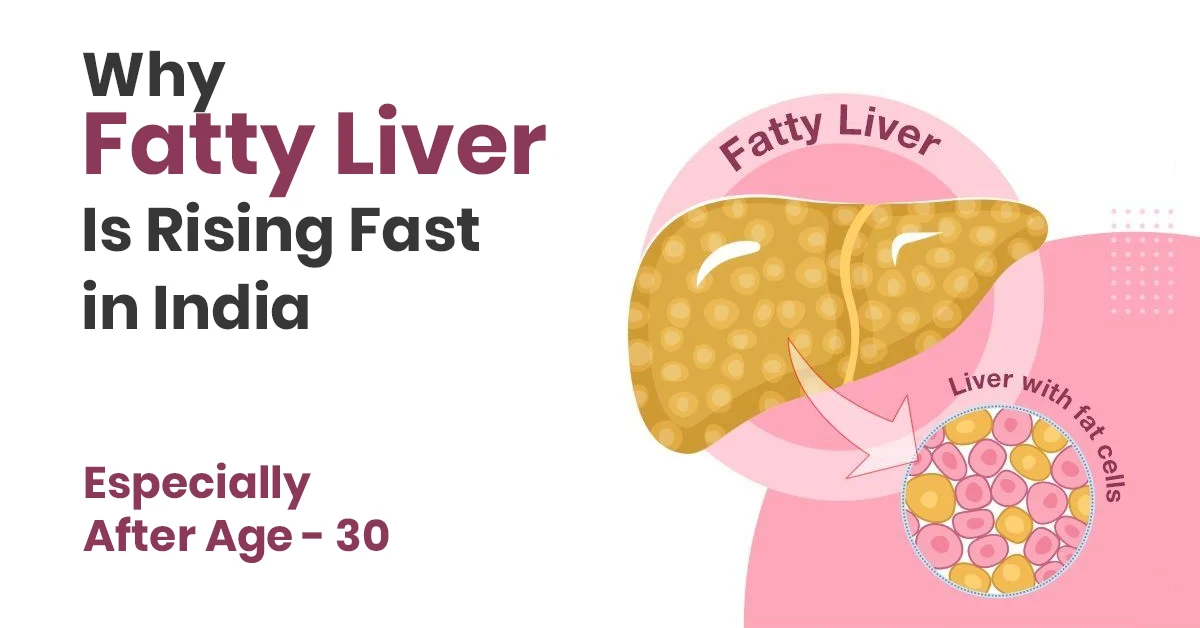
Indians at Higher Risk of Fatty Liver Disease: Fatty liver disease, medically referred to as non-alcoholic fatty liver disease (NAFLD), is emerging as a significant health concern in India. Characterized by the accumulation of excess fat in the liver in individuals who drink little to no alcohol, NAFLD is often silent in its early stages but can progress to serious liver conditions, including cirrhosis and liver failure if left unmanaged.
Genetic Predisposition in Indians
In a February 2 Instagram clip, Dr. Chopra explained that populations from the Indian subcontinent—including India, Pakistan, Bangladesh, and Sri Lanka—carry genetic traits developed over generations to survive periods of famine. These adaptations, while beneficial in historical contexts, now make modern individuals more prone to metabolic disorders such as fatty liver disease.
Also read: Yamaha EC-06: ₹1.67 लाख में लॉन्च हुआ EC-06 इलेक्ट्रिक स्कूटर, जानिए रेंज, फीचर्स और पूरी डिटेल

Early Symptoms and Detection
- Mild fatigue or lethargy
- Discomfort or mild pain in the upper right abdomen
- Elevated liver enzymes detected during routine blood tests
Read about: Ignoring the HPV Vaccine? The Myths Putting Indian Girls at Risk
Preventive Measures and Reversal Strategies
1. Dietary Adjustments
- Reduce refined carbohydrates: Cut down on sugary foods, soft drinks, and white flour products.
- Increase fiber intake: Foods like vegetables, whole grains, and legumes aid in fat metabolism and improve insulin sensitivity.
- Include healthy fats: Omega-3 fatty acids found in fatty fish, flax seeds, and walnuts may reduce liver fat.
- Moderate protein intake: Lean protein from fish, eggs, and legumes helps maintain muscle mass and supports metabolism.
- Avoid alcohol: Even moderate alcohol consumption can worsen fatty liver progression.
2. Regular Physical Activity
- Aim for at least 150 minutes of moderate-intensity exercise per week, such as brisk walking, swimming, or cycling.
- Include strength training to build lean muscle mass, which improves metabolic health and fat utilization.
- Small lifestyle changes, like taking stairs instead of elevators and walking during breaks, can make a significant difference over time.
3. Weight Management
- Even 5–10% weight loss can significantly reduce liver fat and improve liver function.
- Sustainable approaches, rather than crash diets, are recommended to maintain long-term benefits.
4. Medical Management
- Individuals with diabetes, high cholesterol, or high blood pressure should work closely with healthcare providers to manage these conditions, as they increase the risk of fatty liver disease.
- Certain medications may be prescribed under medical supervision to help reduce liver fat in advanced cases.
5. Routine Monitoring
- Periodic liver function tests, imaging studies, and metabolic health assessments help track liver health and ensure interventions are working.