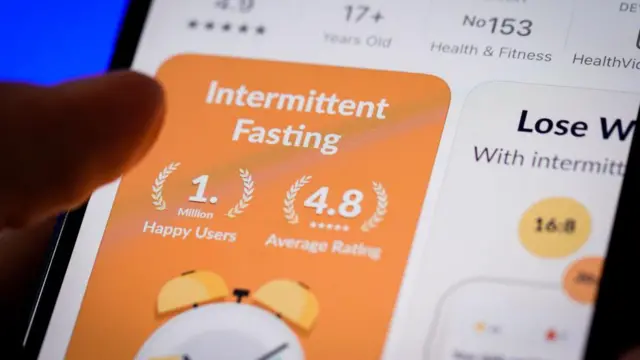

Intermittent Fasting: Benefits or Risks? A New Study Raises Questions About Heart Health

Anusha N
10 Min Read
Intermittent Fasting

Intermittent Fasting: Intermittent fasting has taken the health and wellness world by storm over the past decade. From Silicon Valley entrepreneurs to Hollywood celebrities, many have claimed it as their “secret weapon” for weight loss, improved energy, and longevity. Unlike traditional dieting, intermittent fasting doesn’t always focus on what you eat, but rather when you eat. Popular methods include the 16:8 plan, where you eat within an eight-hour window and fast for the remaining 16 hours, or the 5:2 diet, where calorie intake is drastically reduced on two days of the week. With its promise of metabolic improvements and simplicity, intermittent fasting has gained a reputation as a more flexible, sustainable lifestyle choice than strict calorie restriction.

The scientific community, too, has given intermittent fasting serious attention. Studies have shown potential benefits like improved insulin sensitivity, better cellular repair mechanisms, and even anti-inflammatory effects. Some short-term research has suggested that time-restricted eating may lower blood pressure, improve cholesterol profiles, and reduce risk markers for chronic disease. These findings, combined with anecdotal success stories, have fueled the widespread belief that intermittent fasting could be a shortcut to better health and even longer life.

But emerging evidence challenges the notion that intermittent fasting is universally safe. A large-scale study of over 19,000 American adults, recently published in Diabetes & Metabolic Syndrome: Clinical Research and Reviews, found a striking association between narrow eating windows and cardiovascular risk. Specifically, individuals who confined their eating to less than eight hours a day faced a 135% higher risk of dying from cardiovascular disease compared to those who ate over a 12–14 hour window. While the study did not prove cause and effect, its findings raise red flags for people with underlying health conditions and question whether intermittent fasting, in its most restrictive form, may be harmful for the heart.

What Is Intermittent Fasting?

  • 16:8 Method: Eat within 8 hours, fast for 16 hours.
  • 5:2 Diet: Eat normally for five days, reduce calories drastically on two non-consecutive days.
  • Alternate-Day Fasting: Fast every other day, or eat very few calories.
  • 36-Hour Fasts: Adopted occasionally by some, including high-profile individuals.

The appeal lies in its simplicity: no calorie counting, no banned food groups. However, the focus on timing over quality of nutrition may mask risks if not properly managed.

The New Study: Why Heart Health May Be at Risk

Researchers analyzed dietary recall data from 19,000 adults over an eight-year period. By asking participants to record everything they ate on two separate days, scientists estimated average eating windows. They then tracked long-term health outcomes, focusing on cardiovascular mortality.

Findings:

  • Eating in less than 8 hours per day = 135% higher risk of cardiovascular death.
  • The elevated risk was consistent across age, gender, and lifestyle factors.
  • Smokers, diabetics, and people with pre-existing heart disease were at highest risk.
  • No strong link was found between time-restricted eating and overall mortality (death from all causes).

This suggests that while intermittent fasting may not shorten lifespan outright, it could disproportionately affect cardiovascular health, especially in vulnerable groups.

Benefits of Intermittent Fasting

Despite new concerns, intermittent fasting has well-documented upsides when practiced responsibly.

  • Weight Loss & Fat Metabolism: By reducing eating windows, people naturally consume fewer calories, leading to weight loss.
  • Improved Insulin Sensitivity: Helps regulate blood sugar and reduce diabetes risk.
  • Lower Blood Pressure & Cholesterol: Short-term studies show improvements in cardiovascular risk markers.
  • Cellular Repair & Longevity: Fasting triggers autophagy, a process that clears damaged cells.
  • Lifestyle Fit: Works well with cultural or religious fasting traditions.

Read about: Efficacy of Collagen Peptide Supplementation on Bone and Muscle Health: A Meta-Analysis

Risks and Downsides of Intermittent Fasting

While the benefits are compelling, risks should not be ignored.

  • Heart Health Concerns: New evidence shows increased cardiovascular mortality risk.
  • Nutrient Deficiencies: Limited eating windows can reduce intake of essential vitamins and minerals.
  • Muscle Loss: Some studies found fasting-related weight loss came at the cost of lean muscle.
  • Blood Sugar Fluctuations: Dangerous for diabetics if unmonitored.
  • Adherence Challenges: Hunger, headaches, irritability, and fatigue make it hard to sustain.
  • Elderly Risks: May worsen frailty, accelerate muscle loss, or cause dizziness.

Expert Perspectives

  • Prof. Victor Wenze Zhong (Shanghai Jiao Tong University): Warns against adopting very short eating windows, especially for those with diabetes or heart disease.
  • Prof. Anoop Misra (Endocrinologist): Notes the promise of weight loss and metabolic improvements, but stresses risks like nutrient deficiencies, cholesterol spikes, and low adherence.

Both emphasize personalized dietary advice over one-size-fits-all fasting schedules.

Should You Try Intermittent Fasting?

The evidence suggests intermittent fasting may help certain individuals, particularly those struggling with weight loss or insulin resistance. However, it may not be safe for:

  • People with heart disease
  • Individuals with diabetes
  • Smokers
  • Older adults prone to frailty

For most people, experts recommend focusing on diet quality — whole foods, balanced nutrition, and sustainable habits — rather than rigidly narrowing eating windows.

Also read: Cupra Ateca Review: The SUV That Launched a Brand

Conclusion

Intermittent fasting remains one of the most popular diet trends worldwide, thanks to its simplicity and promising short-term benefits. Many people find it easier to follow than calorie counting, and research supports improvements in weight, metabolism, and even markers of longevity.

Yet, as the recent large-scale study shows, fasting is not without risks. The most concerning finding is the potential link between short eating windows and increased cardiovascular mortality. For people with diabetes, existing heart disease, or other chronic conditions, this could pose serious health risks.

Rather than dismissing intermittent fasting outright, these findings should encourage a more cautious and individualized approach. Not everyone responds to fasting the same way, and what works for one person may be dangerous for another.

Ultimately, the safest path forward is to prioritize nutrient-dense foods, balanced meal timing, and moderation. If intermittent fasting appeals to you, consult a healthcare professional to tailor it to your health profile. Until stronger evidence emerges, it may be wise to avoid extreme forms of fasting, particularly the less-than-eight-hour eating window highlighted in the study.

FAQs About Intermittent Fasting and Heart Health

1. Is intermittent fasting safe for everyone?

No. While many healthy individuals may benefit from intermittent fasting, it is not safe for everyone. People with diabetes, cardiovascular disease, or chronic medical conditions should consult their doctors before attempting fasting. The new study suggests that very narrow eating windows (less than 8 hours) may increase cardiovascular risk.

2. Does intermittent fasting really help with weight loss?

Yes, intermittent fasting can lead to weight loss, often because it reduces overall calorie intake. However, studies show some of this weight loss may come from muscle mass rather than fat, especially if protein intake and resistance training are not prioritized. Weight loss benefits also vary depending on individual adherence and diet quality during eating windows.

3. Why does intermittent fasting increase cardiovascular risk?

The exact reason is unclear, but researchers suspect that narrow eating windows may stress the cardiovascular system by affecting blood pressure, cholesterol, and insulin regulation. For people with underlying conditions, this stress could translate into higher heart disease risk. More studies are needed to fully understand the mechanisms.

4. Can intermittent fasting improve longevity?

Animal studies suggest fasting may extend lifespan through cellular repair mechanisms like autophagy. However, in humans, evidence is limited and mixed. While short-term improvements in metabolism are seen, the latest findings suggest that restrictive fasting may harm heart health, complicating the idea that it automatically leads to longer life.

5. What is the safest way to practice intermittent fasting?

The safest approach is to avoid extreme fasting windows. Experts recommend a 10–12 hour eating window, combined with a balanced diet rich in whole grains, fruits, vegetables, lean proteins, and healthy fats. Pairing intermittent fasting with exercise, hydration, and regular medical checkups ensures better long-term results.

Share This Article
1 Comment

Leave a Reply

Your email address will not be published. Required fields are marked *