
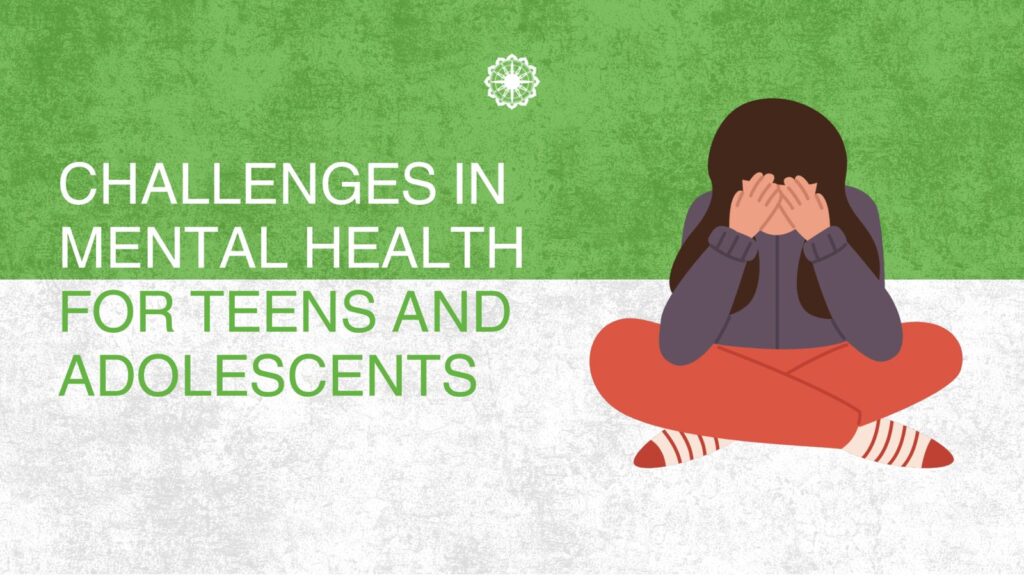
Mental Health of Adolescents: Key Facts, Challenges, and Global Response

Anusha N
10 Min Read
Mental Health of Adolescents

Mental Health of Adolescents: Adolescence is a defining phase of life that shapes an individual’s future health and well-being. During the ages of 10–19, young people experience significant physical, emotional, and social changes that influence their development. Unfortunately, these years are also marked by increased vulnerability to mental health conditions, with global statistics showing that one in seven adolescents suffers from a mental disorder. Depression, anxiety, and behavioral disorders rank among the leading causes of illness and disability in this group, highlighting the urgency of addressing adolescent mental health on a global scale.

The impact of poor mental health during adolescence extends far beyond the teenage years. If left untreated, these conditions can impair physical and psychological health, increase the risk of chronic illness, limit educational achievement, and reduce opportunities for a fulfilling adult life. Even more alarming, suicide is the third leading cause of death among people aged 15–29, underscoring the devastating consequences of neglecting adolescent mental well-being. Protecting mental health in this age group is not only a moral imperative but also a critical investment in global public health.

A supportive environment, timely mental health interventions, and prevention strategies can empower adolescents to build resilience, develop coping mechanisms, and thrive in adulthood. Families, schools, and communities all play a vital role in safeguarding mental health. At the same time, governments and organizations like the World Health Organization (WHO) are working on large-scale programs to strengthen support systems and ensure adolescents have access to proper mental health services.

Determinants of Adolescent Mental Health

Social and Emotional Development

Adolescence is the period when young people develop essential emotional and social habits such as managing stress, building healthy relationships, and adopting regular sleep and exercise routines. These skills directly influence resilience and overall mental well-being.

Risk Factors

Multiple factors contribute to adolescent mental health conditions. Exposure to poverty, violence, bullying, peer pressure, and harsh parenting can heighten risks. Social media influence, gender norms, and unrealistic expectations for the future also contribute to stress and low self-esteem.

Vulnerable Groups

Certain adolescents face greater vulnerability, including those living in humanitarian crises, orphans, adolescents with chronic illnesses, disabilities, or those facing discrimination based on ethnicity, gender, or sexuality. Pregnant adolescents and those in early or forced marriages are also at higher risk.

Common Mental Health Disorders in Adolescents

Emotional Disorders

  • Anxiety Disorders: Affect up to 5.3% of older adolescents and involve excessive worry, panic attacks, and withdrawal.
  • Depression: Impacts 3.4% of adolescents aged 15–19 and often overlaps with anxiety. It can lead to isolation, poor school performance, and increased risk of suicide.

Behavioural Disorders

  • ADHD (Attention Deficit Hyperactivity Disorder): Characterized by difficulty concentrating and impulsive behavior, affecting around 2–3% of adolescents.
  • Conduct Disorder: Involves destructive or challenging behavior, with higher prevalence among younger adolescents.

Eating Disorders

Disorders such as anorexia nervosa and bulimia nervosa typically emerge during adolescence. They involve unhealthy eating behaviors and body image concerns, disproportionately affecting girls. Eating disorders are strongly associated with depression, anxiety, and even premature death.

Psychosis

Conditions like schizophrenia, although rare (0.1% among 15–19-year-olds), often begin in late adolescence. Symptoms such as hallucinations and delusions severely impact education, daily life, and social inclusion.

Read about: The Health Benefits of CBD — and a Look at Side Effects

Suicide and Risk-Taking Behaviors

Suicide in Adolescents

Suicide ranks as the third leading cause of death among 15–29-year-olds. Contributing factors include alcohol abuse, childhood trauma, stigma around mental health, and limited access to care. Media influence, especially digital media, can both worsen and improve suicide prevention efforts depending on how it is managed.

Risk-Taking Behaviors

Adolescence often marks the beginning of substance use, unsafe sexual practices, and violence. These risky behaviors are often coping mechanisms for emotional stress but can lead to long-term health and social problems.

  • Alcohol Use: 22% prevalence among adolescents aged 15–19 in 2019.
  • Tobacco and Cannabis: Early exposure leads to addiction and long-term health risks.
  • Interpersonal Violence: A major cause of death among older adolescents, linked to crime and injury.

Promoting and Protecting Adolescent Mental Health

Preventive Approaches

  • Strengthening emotional regulation skills.
  • Promoting alternatives to risky behaviors.
  • Creating supportive environments in schools, families, and communities.
  • Leveraging digital media to promote positive mental health.

Early Detection and Treatment

Access to timely, non-institutionalized, and human-rights-based interventions is crucial. Non-pharmacological approaches, such as counseling and psychological therapy, should be prioritized before medication.

WHO’s Response to Adolescent Mental Health

The World Health Organization has developed multiple programs and initiatives to support adolescent mental well-being globally:

  • Helping Adolescents Thrive (HAT) Initiative: Jointly run by WHO and UNICEF, this program promotes mental health, prevents disorders, and addresses self-harm and substance abuse.
  • mhGAP Intervention Guide: Provides evidence-based tools for non-specialized healthcare settings to manage adolescent mental disorders.
  • School-Based Mental Health Programs: Training educators to recognize and respond to mental health challenges among students.
  • Scalable Psychological Interventions: Low-cost, effective therapies designed to reach large populations, particularly in low-resource settings.

Also read: Peugeot e-208 GTI: A Hot Hatch Revival or a Missed Opportunity?

Conclusion

Adolescence is one of the most crucial stages of human development, and mental health plays a pivotal role in determining long-term well-being. Despite the alarming statistics, adolescent mental health issues often remain underrecognized and undertreated. This neglect can have devastating consequences, including lifelong health problems, reduced opportunities, and even premature death.

The good news is that mental health conditions among adolescents are preventable and treatable. Early intervention, supportive environments, and strong community engagement can significantly reduce risks and promote resilience. Families, schools, and policymakers must work hand in hand to ensure adolescents receive the guidance and care they need.

Global organizations like the WHO are making significant strides in adolescent mental health through awareness campaigns, school-based initiatives, and large-scale programs. However, these efforts must be scaled up and adapted to local contexts to reach the most vulnerable populations.

Ultimately, investing in adolescent mental health is not only about preventing illness but about enabling young people to thrive, achieve their potential, and contribute positively to society. A strong commitment to mental health today will secure healthier, more resilient generations tomorrow.

Frequently Asked Questions

1. Why is adolescent mental health so important?
Adolescence is a critical developmental period where lifelong habits and coping mechanisms are formed. Poor mental health during this stage can lead to long-term issues, including chronic illness, poor educational outcomes, and increased risk of suicide. Ensuring good mental health now secures better physical, emotional, and social outcomes in adulthood.

2. What are the most common mental health disorders in adolescents?
The most common include anxiety, depression, ADHD, conduct disorders, eating disorders, and, in rare cases, psychosis. Anxiety and depression are particularly concerning due to their prevalence and strong link to suicide and poor school performance.

3. What role do families and schools play in adolescent mental health?
Families provide the first line of emotional support, while schools play a critical role in shaping social interactions and resilience. Positive parenting, open communication, and mental health programs in schools significantly reduce risks of mental illness and promote well-being.

4. How can adolescent suicide be prevented?
Suicide prevention requires a multi-pronged approach, including addressing substance abuse, reducing access to means of suicide, providing counseling, and fighting stigma around mental health. Media platforms can also play a positive role in raising awareness and guiding young people toward help.

5. What is WHO doing to improve adolescent mental health worldwide?
WHO has launched several initiatives, including the Helping Adolescents Thrive (HAT) program and the mhGAP Intervention Guide, which equip communities and health systems with the tools to prevent, detect, and treat mental disorders. Additionally, WHO is testing low-cost interventions and promoting school-based mental health programs to reach vulnerable populations.

Share This Article
1 Comment

Leave a Reply

Your email address will not be published. Required fields are marked *