
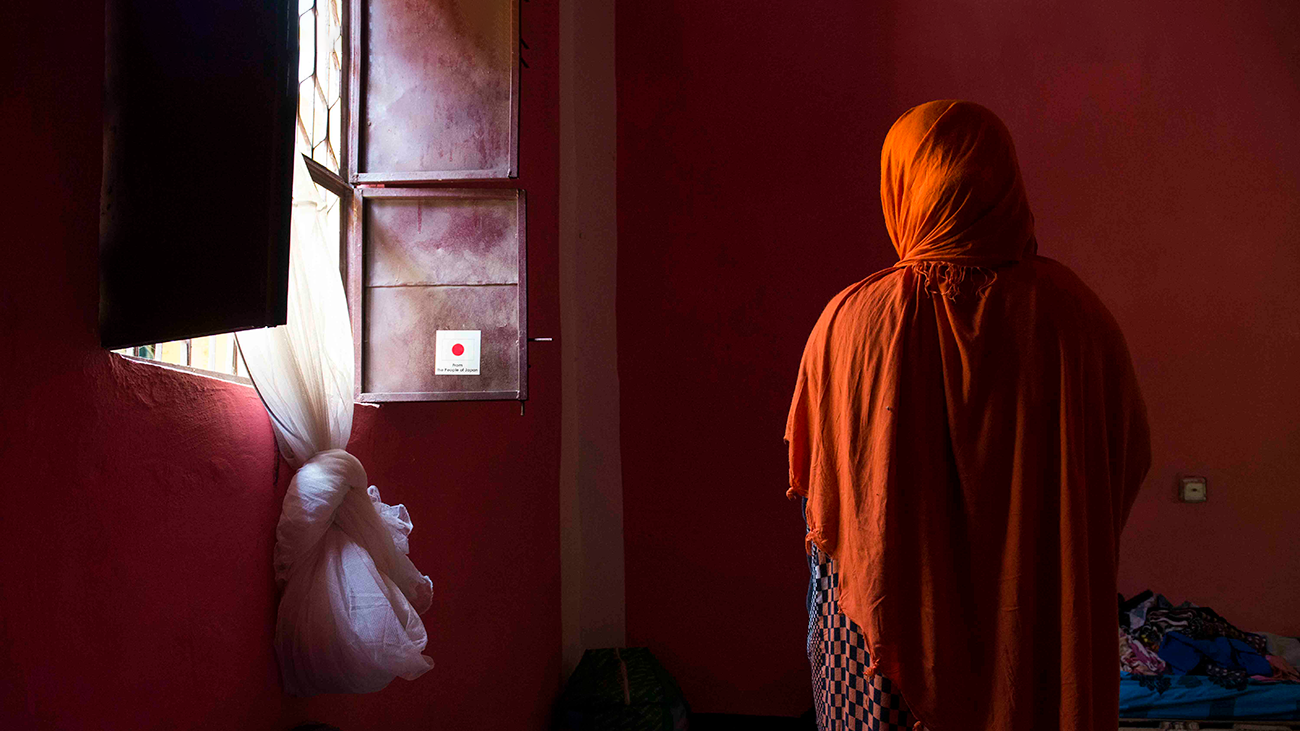
Peacebuilding and Mental Health: Armed conflicts have been steadily increasing over the past decade, with more than 120 conflicts recorded globally in 2025. Civilians in regions such as Gaza, Ukraine, Sudan, Myanmar, Ethiopia, and the Democratic Republic of the Congo are experiencing violence at unprecedented levels. According to the UN, civilian fatalities surged by 40% in 2024 alone, with nearly 50,000 people killed. Women and children have borne the brunt of this violence, being killed at four times the rate of previous years.
Intergenerational and Collective Trauma
Trauma also has intergenerational effects. Parents who suffered violence or displacement may struggle to care for their children emotionally, often passing on unresolved pain. Collective trauma—expressed through stories, memories, and narratives—can also reinforce divisions between ethnic or religious groups, hardening hostility across generations.
What Are Peacebuilders Doing?
Recognition at the UN Level
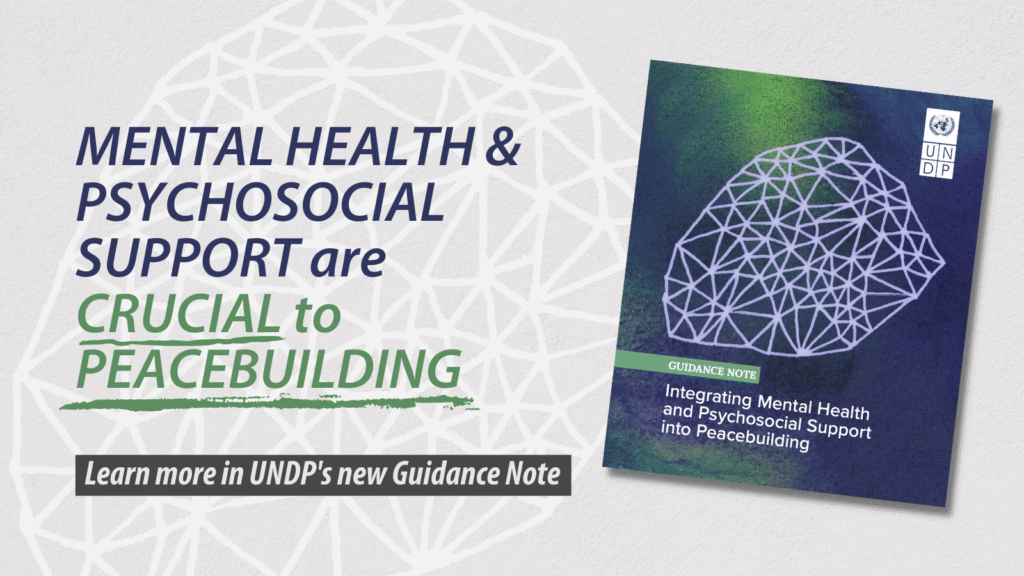
Mental health and psychosocial support (MHPSS) has begun to appear in the UN peacebuilding agenda, highlighted in the 2020 and 2024 reviews of the UN peacebuilding architecture. In 2023, the UN General Assembly adopted a resolution urging member states to integrate MHPSS into emergency response and peacebuilding. Yet, despite these steps, international attention to MHPSS remains limited, often overshadowed by financing, security, and development priorities.
Read about: The Mental Health Burden of Atopic Dermatitis: Why the Skin-Brain Connection Matters
Funding, Partnerships, and Knowledge-Sharing
Sustainable financing is critical. While the UN Peacebuilding Fund (PBF) has supported some MHPSS programming in Central African Republic, Somalia, and South Sudan, this remains a small share of its portfolio. Scaling up funding for trauma-informed programs is essential. Moreover, surveys of peacebuilding practitioners reveal strong support for integration but highlight a need for training, materials, and partnerships. International actors should act as co-creators and co-learners, rather than imposing external solutions.
Cross-Regional Learning
Many grassroots practices—from art and storytelling to nature-based healing—share similarities across cultures. By facilitating cross-regional learning while respecting local contexts, the international community can amplify best practices and strengthen locally led approaches.
Also read: TVS Raider Super Squad Launches Deadpool & Wolverine Editions at Rs. 99,465
Conclusion
First, sustainable peace is impossible without addressing the psychological wounds of war. Trauma undermines trust, fuels cycles of revenge, and hinders reconciliation. Ignoring these impacts risks perpetuating violence even after formal peace agreements are signed.
FAQs
1. Why is mental health important in peacebuilding?
Mental health is central to peacebuilding because trauma shapes how individuals and communities respond to conflict resolution efforts. People suffering from PTSD, depression, or anxiety are less likely to trust others, support reconciliation, or engage in nonviolent solutions.
2. How does trauma affect future generations?
Trauma has intergenerational impacts. Children exposed to conflict are more likely to show aggression, have difficulty managing stress, and struggle with empathy. Parents with untreated trauma may also struggle to nurture their children emotionally.