






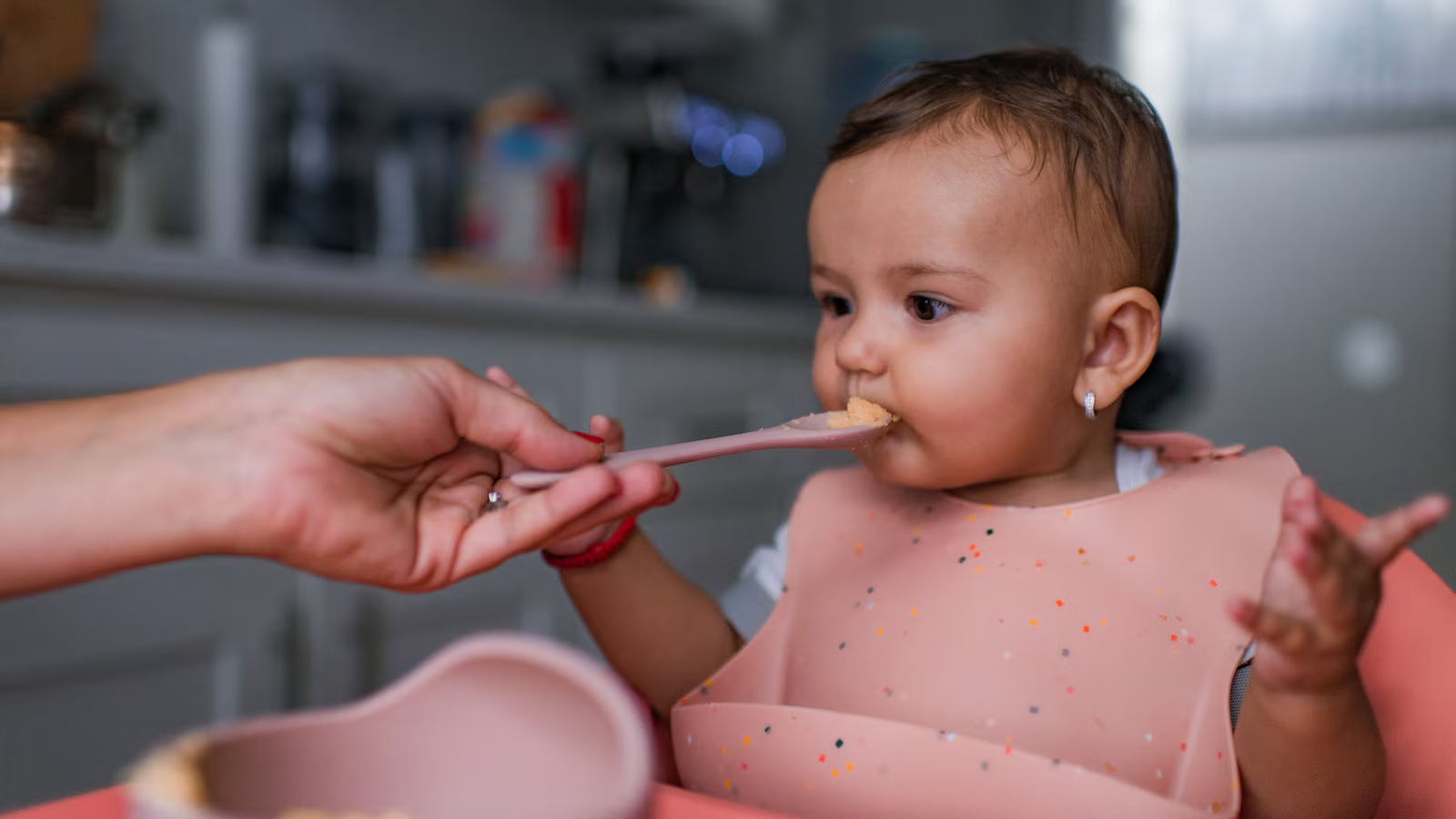
Peanuts to Help Avoid Allergies: Introducing peanuts to your baby may not seem like a milestone you’d celebrate with pictures or videos, but it’s a major step toward protecting your child from one of the most common and serious food allergies. For years, parents were advised to delay peanuts and other allergenic foods to avoid reactions. But new research has completely changed that thinking. In fact, experts now say that introducing peanuts early — at the right time and in the right way — can help prevent peanut allergies in many children.
This shift in guidance can be both reassuring and nerve-wracking for parents. On one hand, early introduction helps reduce risk; on the other, the idea of a potential allergic reaction can be frightening. The key lies in understanding when to start, how to introduce peanuts safely, and what signs to watch for if your child reacts. These details can make all the difference between developing tolerance and developing an allergy.
Whether your child is at high, moderate, or low risk of food allergies, it’s essential to follow evidence-based guidelines from trusted organizations like the National Institute of Allergy and Infectious Diseases (NIAID) and Food Allergy Research & Education (FARE). Below, we explore the timing, safety protocol, and crucial symptoms every parent should be aware of when introducing peanuts into a baby’s diet.
Why Early Peanut Introduction Matters
Peanut allergy is one of the most common and potentially life-threatening food allergies worldwide. In recent decades, cases have risen sharply — particularly in children who were not exposed to peanuts early in life. Scientists now understand that introducing allergenic foods too late may actually increase the likelihood of developing an allergy.
Studies, including the landmark LEAP (Learning Early About Peanut Allergy) trial, have shown that early exposure to peanuts between 4 and 6 months of age can reduce the risk of peanut allergy by up to 80% in high-risk infants. The idea is that a baby’s immune system is still developing during this period, and controlled, early introduction helps the body recognize peanuts as safe rather than harmful.
This is why leading pediatric and allergy organizations now encourage controlled early introduction rather than avoidance. Delaying peanut exposure beyond infancy offers no known benefits and, in fact, may increase risk.
When to Introduce Peanuts to Babies
Guidelines by Risk Category
According to the FARE and NIAID guidelines:
- High-risk infants (those with severe eczema, an existing egg allergy, or both):
Should be introduced to peanut-containing foods between 4–6 months of age, ideally under medical supervision. - Moderate-risk infants (those with mild to moderate eczema):
Can have peanuts introduced around 6 months of age at home, provided they’ve started solids and are healthy. - Low-risk infants (those with no eczema or food allergy history):
Can be introduced to peanuts at around 6 months, once they show readiness for solids.
Key point: There’s no advantage to delaying peanut introduction beyond 6 months. Babies who are developmentally ready for solid foods can start exploring peanut-containing foods safely.
TRead about: Hyderabad Hospital Launches Genetic Test That Tells Which Medicines Work for You
Signs Your Baby Is Ready for Peanut Introduction
Before introducing any solid or allergenic food, make sure your baby can:
- Sit with minimal support.
- Hold their head steady and upright.
- Show interest in food (e.g., reaching out for your spoon).
- Swallow pureed foods without pushing them out with their tongue.
If these developmental signs are present, your baby is ready for the next step.
How to Introduce Peanuts Safely
Safety is the top priority when introducing peanuts. Here’s a step-by-step guide:
1. Choose a Safe Peanut Form
Never give whole peanuts or thick peanut butter to babies — both are choking hazards. Instead, use:
- 1–2 teaspoons of smooth peanut butter, thinned with warm water, breast milk, or formula.
- Peanut flour or powder mixed into pureed fruits or vegetables.
- Peanut puffs or snacks designed for infants (for older babies who can handle soft solids).
2. Pick the Right Time and Place
Choose a calm day when your baby is healthy and alert. Avoid times when your child is sick, teething, or cranky. Stay home for the first introduction — not in daycare or during travel.
3. Start with a Small Amount
Offer a pea-sized amount first. Wait for 10–15 minutes and observe for any reaction. If your baby shows no symptoms, you can continue feeding the rest of the portion slowly.
4. Monitor Closely
After the first serving, keep an eye on your baby for at least 2 hours. Allergic reactions can appear immediately or after a short delay.
5. Continue Regular Exposure
If your baby tolerates peanuts well, continue offering peanut foods 2–3 times per week. Consistent exposure supports immune tolerance and helps maintain protection.
Symptoms of Peanut Allergy to Watch For
Even though early introduction helps prevent allergies, parents should know what signs to watch for during and after feeding. Common symptoms of a peanut allergy include:
- Mild symptoms:
- Redness around the mouth or eyes
- Mild hives or skin rash
- Sneezing, runny nose
- Moderate to severe symptoms:
- Swelling of lips, eyes, or face
- Vomiting, diarrhea, or stomach pain
- Persistent coughing or wheezing
- Difficulty breathing or swallowing
- Sudden lethargy or loss of consciousness
If any severe reaction (anaphylaxis) occurs — such as breathing difficulty or swelling of the tongue — call emergency services immediately. Epinephrine (an EpiPen) may be required for children with diagnosed allergies.
The Role of Pediatricians and Allergy Specialists
Before introducing peanuts, especially for high-risk babies, talk to your pediatrician or an allergy specialist. They may:
- Recommend an allergy skin-prick or blood test before introduction.
- Supervise the first peanut feeding in a clinic.
- Provide guidance on managing potential allergic reactions at home.
This professional support ensures both safety and confidence during the process.
Long-Term Benefits of Early Peanut Introduction
Early introduction doesn’t just reduce the chance of developing a peanut allergy — it helps shape a child’s immune system for long-term tolerance. Children introduced early often continue to tolerate peanuts well into adolescence and adulthood.
Moreover, establishing a pattern of exposure (regularly offering peanuts in safe forms) can further solidify this tolerance. This proactive approach has become one of the most effective public health strategies for preventing childhood peanut allergy.
Conclusion
Introducing peanuts to your baby’s diet might seem intimidating, but with the right timing and careful approach, it’s one of the best things you can do for their long-term health. The old belief of delaying allergenic foods has been replaced by evidence-backed guidance emphasizing early, controlled exposure.
By introducing peanuts between 4–6 months, particularly for high-risk babies under medical advice, parents can significantly reduce the chances of peanut allergy development. What was once a source of anxiety has now become a tool for prevention and empowerment.
As always, preparation and awareness are key. Understanding your baby’s readiness, choosing safe food forms, and recognizing early allergy signs ensure that this introduction goes smoothly.
In the end, early peanut introduction isn’t just about preventing allergies — it’s about helping your child enjoy a wider, healthier relationship with food, free of fear and restrictions.
Also read: PB Fintech Q2FY26 Results Preview: PAT May Rise 145% YoY, Revenue 48%; GST Impact in Focus
FAQs About Introducing Peanuts to Babies
1. Why is early peanut introduction recommended now?
Recent research, including the LEAP study, found that babies introduced to peanuts early (between 4–6 months) were up to 80% less likely to develop a peanut allergy. Early exposure teaches the immune system that peanuts are safe, reducing the risk of developing allergic responses later.
2. How do I know if my baby is high-risk for peanut allergy?
A baby is considered high-risk if they have severe eczema, an existing egg allergy, or both. These conditions indicate an overactive immune system that’s more likely to develop food allergies. Parents of high-risk infants should consult a pediatrician before introducing peanuts.
3. Can I give my baby peanut butter directly?
You can give smooth peanut butter, but it must be thinned with water, breast milk, or formula to reduce choking risk. Whole peanuts and thick peanut butter should never be given to babies under 4 years old due to choking hazards.
4. What should I do if my baby has a mild allergic reaction?
If your baby develops mild symptoms like redness, small hives, or itching, stop feeding immediately and consult your pediatrician. They may recommend an antihistamine. For any signs of severe reaction (swelling, difficulty breathing, vomiting), call emergency services right away.
5. How often should I give my baby peanuts after successful introduction?
After a successful first introduction, experts recommend giving peanut-containing foods 2–3 times per week. Regular exposure helps maintain tolerance and prevents allergy development over time.




One thought on “When to Introduce Kids to Peanuts to Help Avoid Allergies: Safe Timing, Steps, and Symptoms to Watch For”