
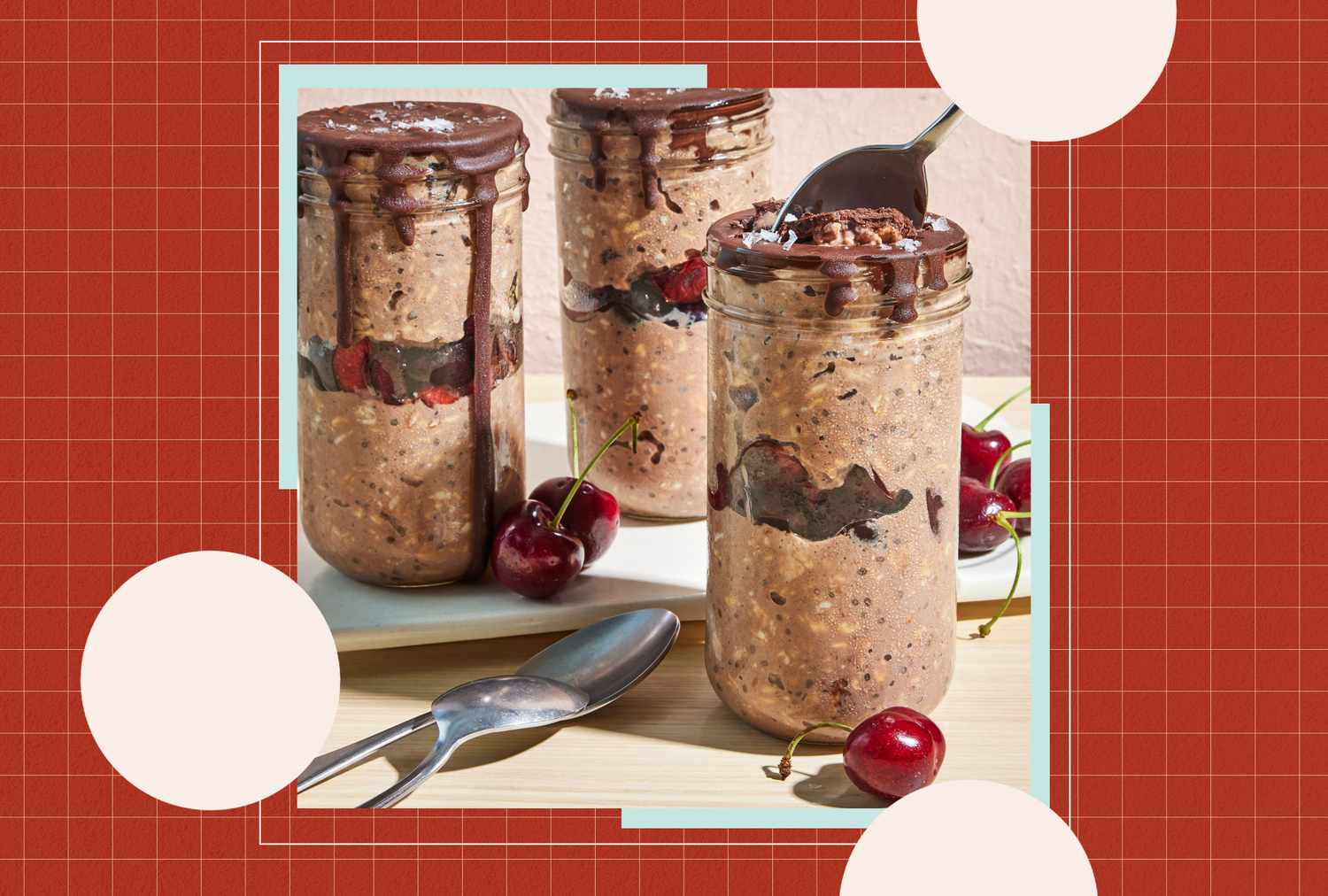
The Bad Food a Cardiologist Actually: When we think about heart health, especially during Heart Health Month, most of us immediately picture bowls of leafy greens, steamed vegetables, whole grains, nuts, and beans. These foods have long been celebrated for their cardiovascular benefits, and rightly so. But what if we told you that a cardiologist recommends a dessert as part of a heart-healthy routine?
Why Dark Chocolate Isn’t as “Bad” as You Think
Chocolate often gets a negative reputation because of its sugar content and association with candy and processed desserts. However, not all chocolate is created equal. The key lies in choosing dark chocolate, especially varieties that contain 70% cocoa or more.
Also read: AU Small Finance Bank
The Science Behind Dark Chocolate and Heart Health
Dark chocolate is rich in flavonoids, plant compounds known for their antioxidant and anti-inflammatory properties. The American Heart Association highlights flavonoids as important nutrients that support both heart and brain health.
1. May Lower Blood Pressure
Research suggests that regularly consuming dark chocolate can reduce the risk of hypertension by up to 27%. Flavonoids help improve the flexibility of blood vessels and promote better blood flow, which can reduce overall blood pressure levels.
2. Supports Brain Function
The heart and brain are deeply connected. Improved blood circulation benefits not only your cardiovascular system but also cognitive performance.
3. Rich in Essential Minerals
Dark chocolate isn’t just about antioxidants. It’s also surprisingly nutrient-dense.
- 33% of the recommended daily value of iron
- Magnesium
- Copper
- Manganese
4. May Reduce Diabetes Risk
Emerging research suggests that moderate dark chocolate consumption may improve insulin sensitivity. Improved insulin function lowers the risk of developing type 2 diabetes another major contributor to heart disease.Why Savings Accounts of the Body Matter (Stability and Liquidity).
Read about: Medesto Health in Livonia Launches Intelligent Patient Engagement Platform

The Right Way to Eat Dark Chocolate
Before you start celebrating with a chocolate feast, moderation is key.
Choose Wisely:
- Go for 70% cocoa or higher
- Avoid varieties with excessive added sugars
- Skip heavily processed chocolate candies
Portions Reasonable:
- 1 to 1.5 ounces per day is generally enough
- Think of it as a supplement to your diet not a replacement for fruits and vegetables
Boost the Benefits: Pair It with Berries
Dr. Grayver recommends taking things a step further.
“If you mix dark chocolate with something like a berry, like strawberries or blueberries, you’re adding even more of the antioxidant effect to it.”
Berries are loaded with their own flavonoids and vitamin C, making them an ideal pairing.
Delicious Heart-Healthy Pairings:
- Dark chocolate–dipped strawberries
- Blueberries mixed into melted dark chocolate
- Greek yogurt with berries and shaved dark chocolate
- Dark chocolate and raspberry energy bites
Why This Matters During Heart Health Month
Heart disease remains one of the leading causes of death worldwide. While major lifestyle changes like exercise and quitting smoking are crucial, small dietary tweaks can also make a meaningful difference. The idea that something indulgent like dark chocolate can contribute positively to heart health is both surprising and encouraging. It reminds us that healthy eating doesn’t have to be joyless or restrictive.
FAQ’s About The Bad Food a Cardiologist Actually
1. Is dark chocolate really good for heart health?
Yes, when eaten in moderation. Dark chocolate (70% cocoa or higher) contains flavonoids that may help lower blood pressure, improve blood flow, and support overall heart health.
2. How much dark chocolate should I eat daily?
About 1 to 1.5 ounces per day is enough. Choose high-cocoa varieties with minimal added sugar and enjoy it as part of a balanced diet.