
The Gut-Brain Reckoning: India is at a critical juncture in its public health journey. While conversations around mental health awareness have gained unprecedented traction, there remains a hidden factor threatening to undermine these strides: the rampant overuse of antibiotics. Traditionally, antibiotics have been hailed as miracle drugs, saving countless lives from infectious diseases. However, in India, where these medications are often consumed without prescriptions or proper medical oversight, their misuse has snowballed into a crisis that extends far beyond antimicrobial resistance.
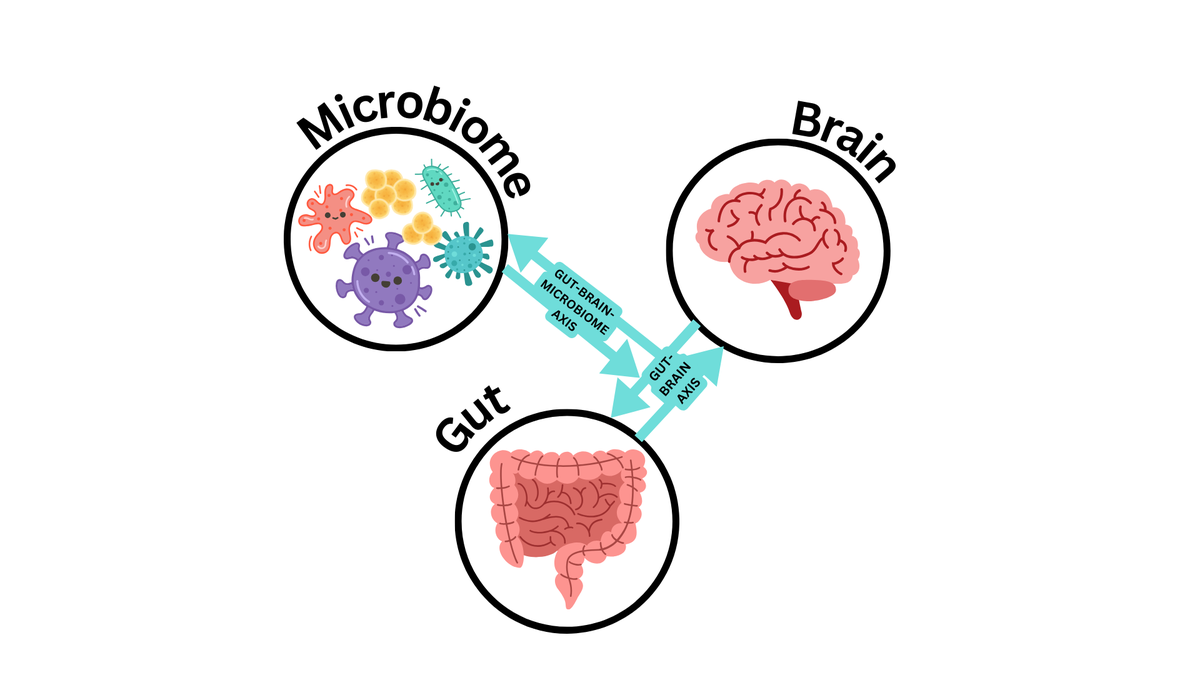
At the heart of this issue lies the gut-brain axis—a complex communication system linking the gut and the brain. Mounting scientific evidence shows that gut health plays a decisive role in regulating emotions, cognition, and psychological resilience. Antibiotics, by disrupting gut microbiota, can destabilize this axis and contribute to anxiety, depression, and cognitive decline. What was once considered solely a matter of infection control now emerges as a crucial determinant of mental well-being.
The Gut-Brain Axis
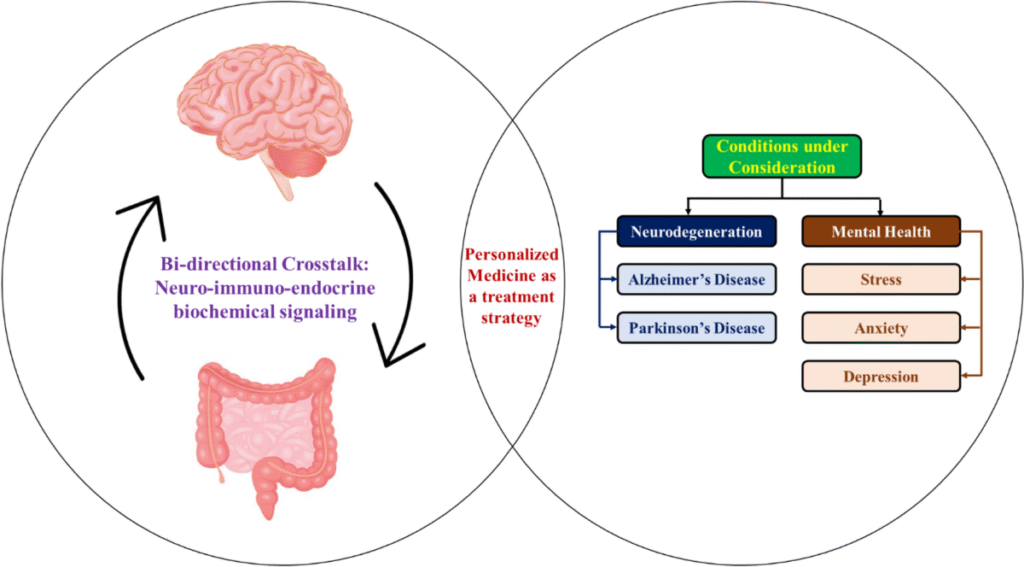
The gut-brain axis refers to the bidirectional communication network between the digestive system and the central nervous system. This relationship is mediated by the vagus nerve, immune pathways, and chemical messengers such as neurotransmitters. Gut microbes, in particular, play a central role in producing compounds like serotonin, dopamine, and gamma-aminobutyric acid (GABA), which influence mood and cognition.
Read about: How AI is Helping Healthcare Experts Deliver Smarter, More Timely Addiction Recovery Care
Antibiotics and Mental Health: The Invisible Fallout
While AMR is widely acknowledged as a public health hazard, the mental health fallout of antibiotic misuse is often overlooked. Evidence suggests that frequent antibiotic exposure can:
- Lower microbial diversity, reducing resilience to stress.
- Increase risk of depression and anxiety disorders.
- Influence cognitive decline, potentially contributing to conditions like dementia.
- Affect sleep cycles and circadian rhythms by altering gut-brain chemical signaling.
Toward a Paradigm Shift: Integrating Gut Health into Mental Health Policies
India’s mental health discourse must expand to include microbial health. Policy interventions could include:
- Stricter regulation of antibiotic sales to curb misuse.
- Public health campaigns highlighting the connection between gut health and mental health.
- Encouraging probiotics and dietary diversity to restore microbial balance.
- Cross-disciplinary healthcare where psychiatrists, gastroenterologists, and primary care providers collaborate.
Also read: Amazon Launches Lens Live: Shop Instantly by Scanning Items with Your Camera
Conclusion
The gut-brain axis represents one of the most exciting frontiers in modern medicine, bridging microbiology, neurology, and psychiatry. In India, this axis is being undermined by the rampant, often unchecked, use of antibiotics. What begins as an attempt to cure infections may inadvertently erode emotional resilience and cognitive function, fueling a hidden mental health crisis.